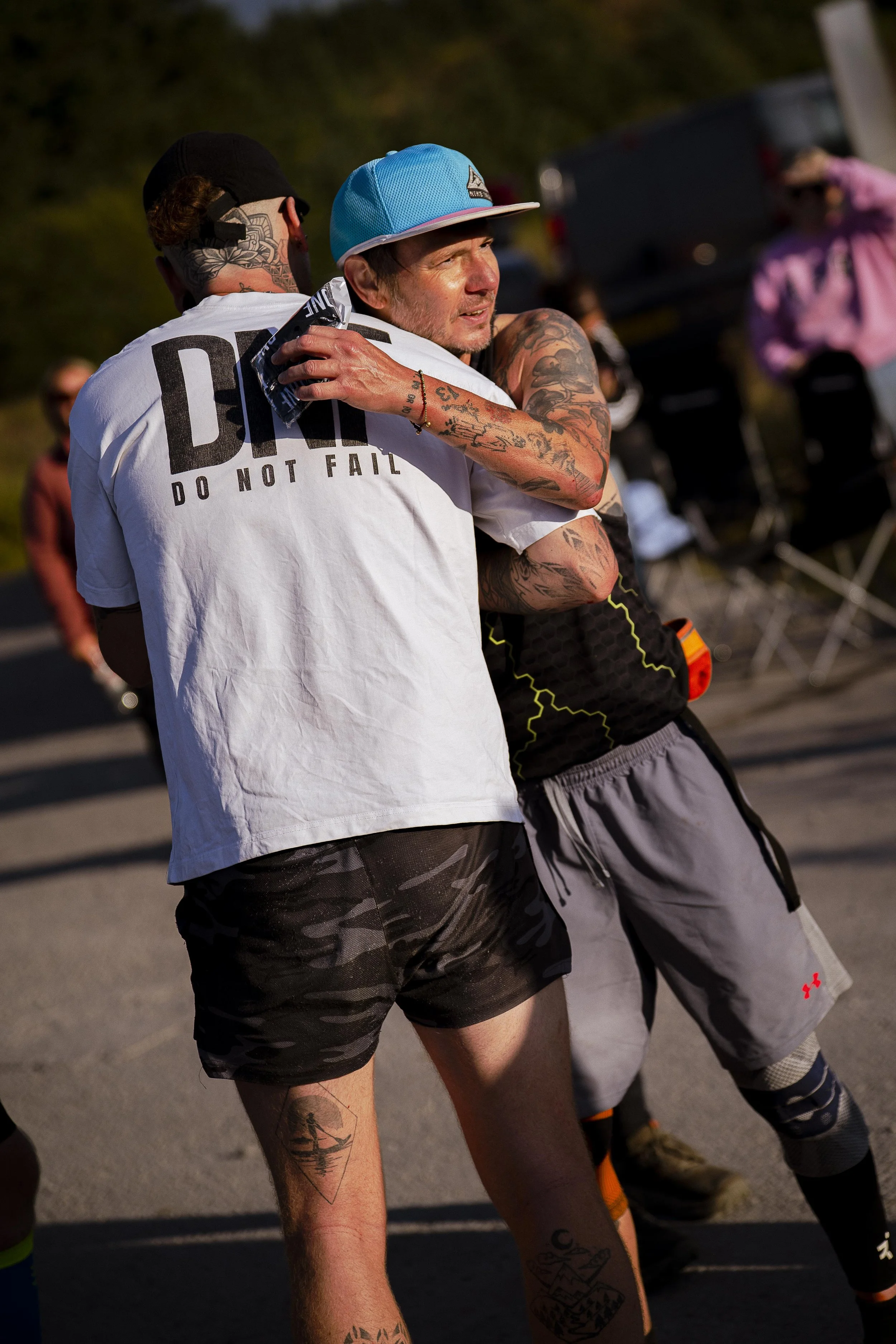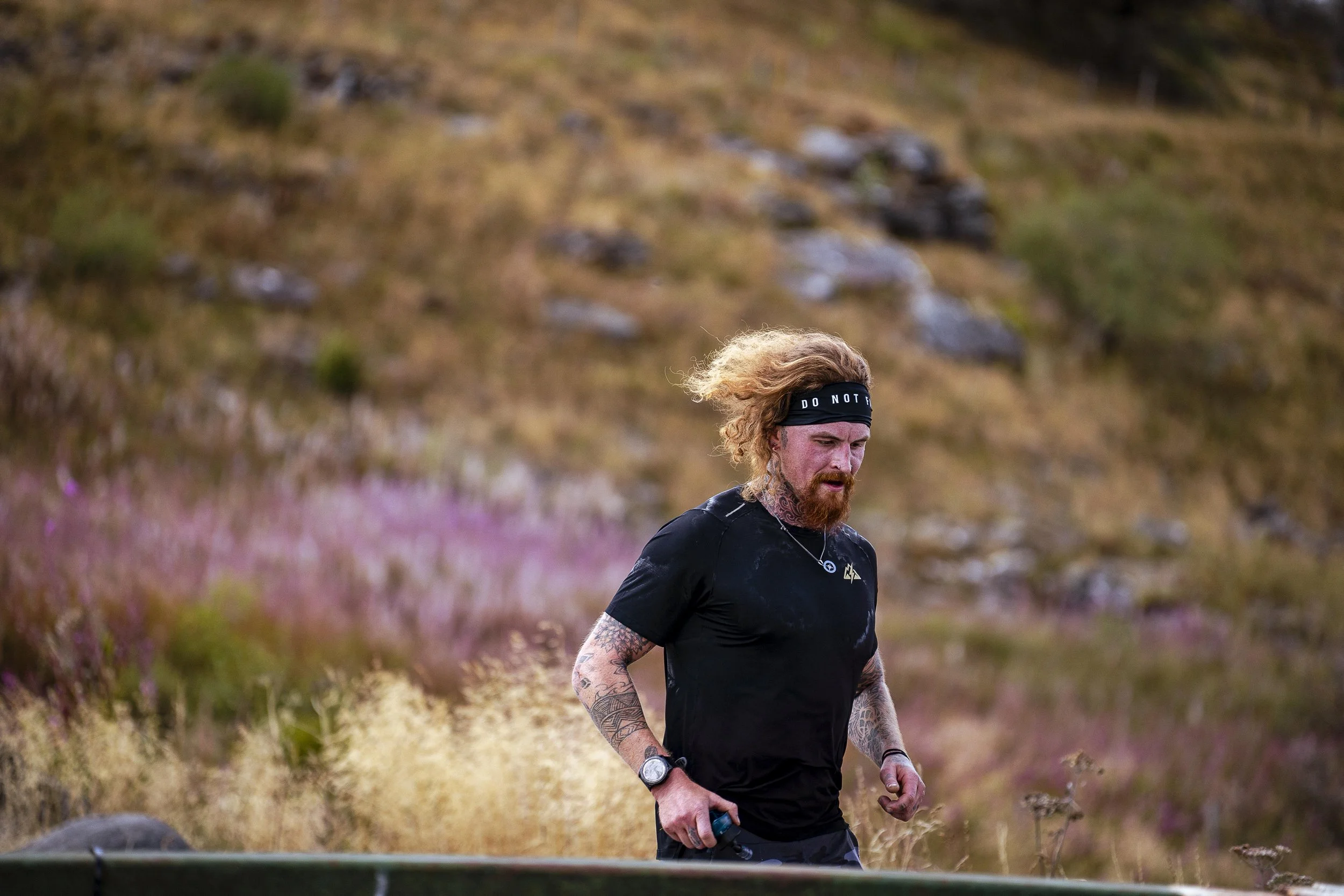
There's something about Wales.
The mountains, the trails, the scenery, the weather doing whatever the fuck it fancies — and a seemingly endless supply of hills that have absolutely no interest in making your life easy.
Needless to say, I'm a fan.
Having made the trip across the border for the inaugural Trig Point 12 in 2026, hosted by Adventure Athletes, I'm delighted to be returning to Rhigos in 2027 - both to defend my 12-hour title, but also to RD the NEW 24 HOUR RACE!
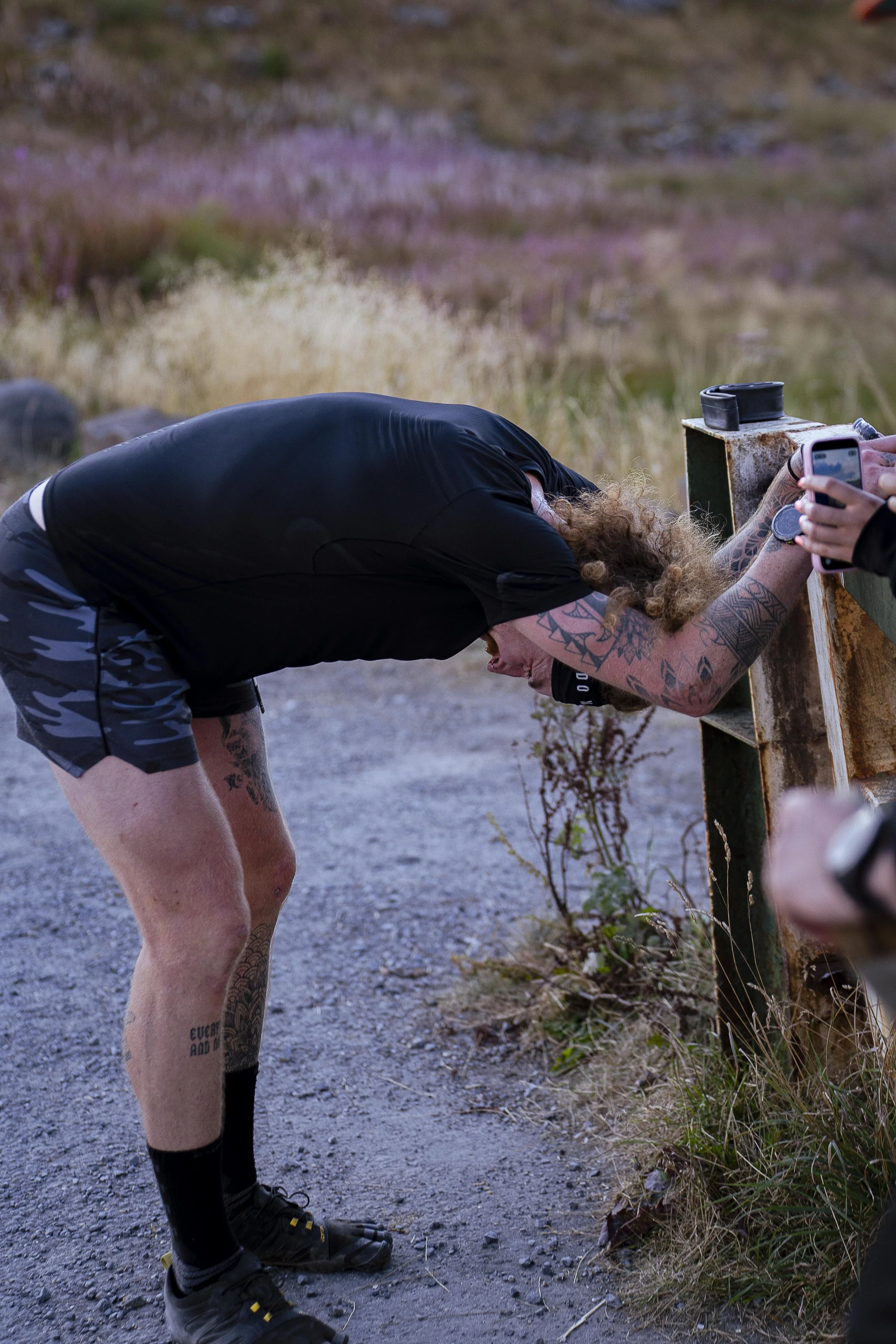
This time, we're doubling up; Trig Point 12 in July, followed by the Trig Point 24 in September.
For those unfamiliar with the concept, Trig Point takes place within Pen y Cymoedd Wind Farm, on the hills above Rhigos in the Brecon Beacons - and follows a Backyard-style format being 4.167mi/6.706km on the hour, every hour.
A varied trail loop, a healthy dose of climbing, some seriously impressive scenery and the opportunity to spend a considerable amount of time running around in the Welsh mountains.
Having experienced the course first-hand earlier on this year, I can confidently say that this isn't your typical fire-track plod.
It's got a bit of everything.
Runnable climbs, sweeping descents, technical woodland, exposed sections, a trig point and enough little surprises to keep you honest.
And, as I'll get into shortly, it's a course that offers something for both those looking to have a proper crack at a 12-hour event and those wanting to push themselves into the realms of a full 24-hour outing.
So, let's have a look at what's on offer.
The Course | A Little Bit of Everything
Before splitting the two events out, it's worth getting acquainted with the playground.
Both races take place on the same general loop, starting and finishing at the Green Gate within Pen y Cymoedd Wind Farm.
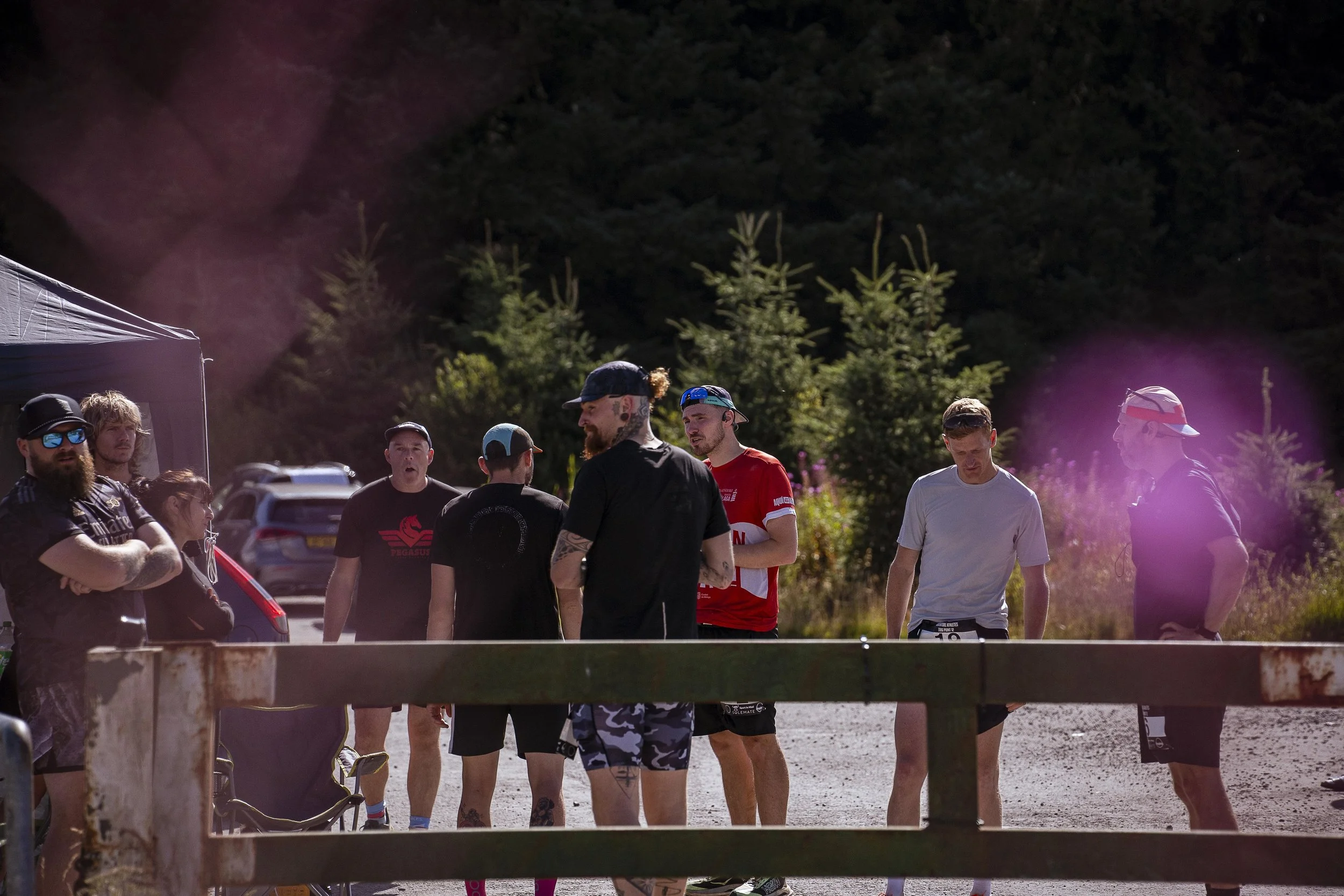
The route is approximately 4.2 miles / 6.7km, with around 542ft of climbing per lap.
Now, on paper, that doesn't sound particularly naught.
A little over four miles.
Five hundred and change in elevation.
A few fire roads and woodland trails.
Lovely.
But as with most things in ultra running, the numbers don't necessarily tell the whole story.
The course is made up of a combination of wind-farm fire tracks, forestry roads, woodland paths and some slightly more technical trail sections.
It's predominantly runnable, but there's enough variation to keep you on your toes — particularly as the hours start to accumulate.
The Climb to Zip World
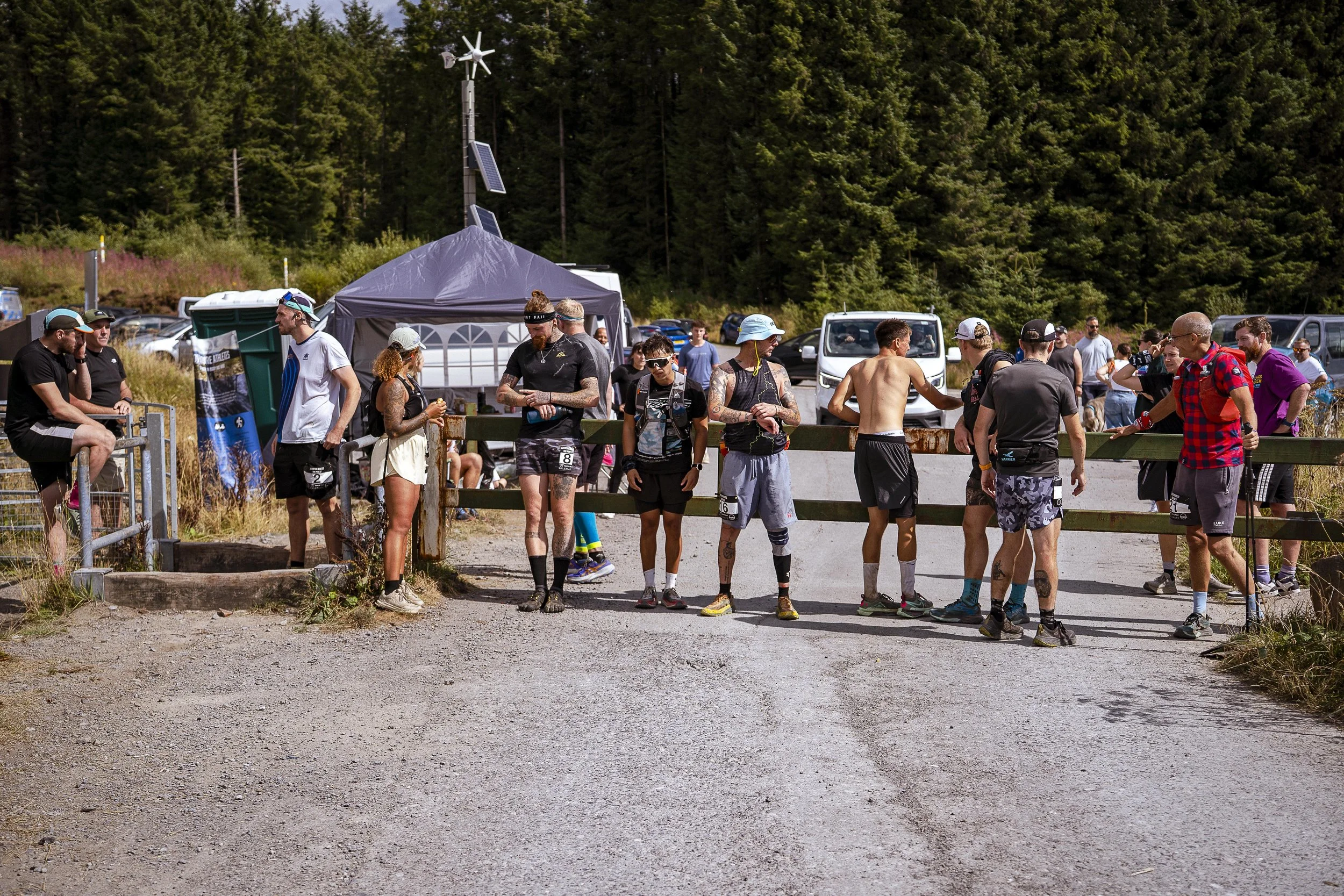
From the Green Gate, the route heads straight onto the fire track, beginning the longest sustained climb of the loop.
It's a fairly punchy introduction, but nothing particularly savage.
The gradient is generally manageable, and there's plenty of opportunity to settle into a rhythm rather than immediately reaching for the hiking poles and questioning your life choices.
As you gain elevation, the views start to open up across the surrounding mountains.
And this is where the course really starts to show its hand.
Passing the Zip World viewpoint, you're treated to some cracking panoramic views across the Brecon Beacons and surrounding countryside.
On a clear day, it's an absolute belter.
A chance to take the scenery in, appreciate where you are and remind yourself that there's considerably more to this running biz than staring at a watch and chasing splits.
The Trig Point
From the viewpoint, things get a little more interesting.
A short, steep ascent takes you towards the only trig point on the course — Craig Y Llyn.
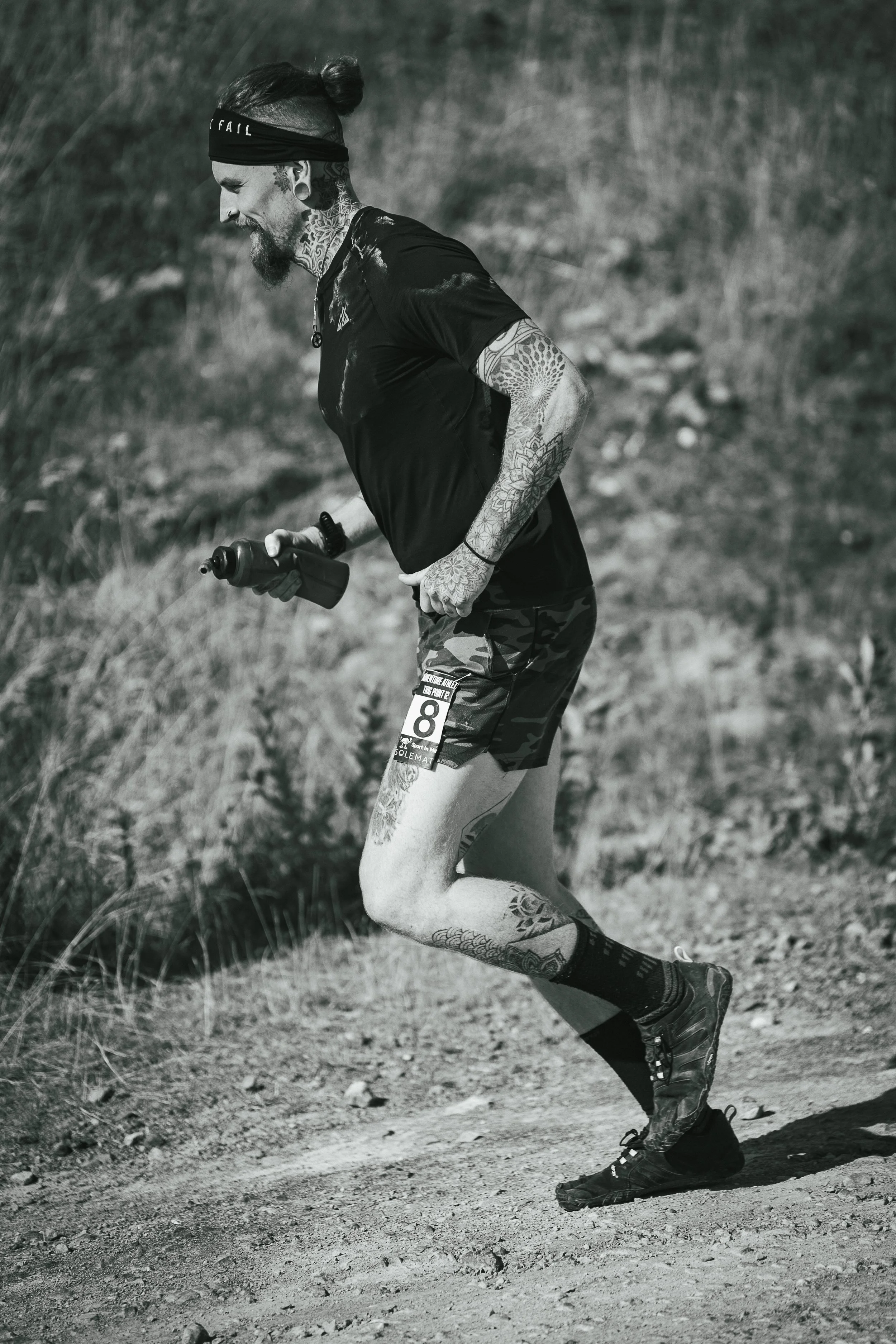
It's not a particularly long section, but it does require a little more effort and attention than the preceding fire track.
The trig itself sits just off the main path, tucked into the woodland; q nice little landmark and, naturally, a photo opportunity for anyone who fancies documenting their questionable decision to spend an entire day running around a wind farm.
Once over the top, the route opens out into a long descent through the wind turbines.
Back onto the fire tracks, this is where you can really get moving; with a forgiving gradient dominated by sweeping, open track that allow you to open the legs and find a bit of rhythm.
Although don't get too carried away.
There's a fair amount of descending to come, and the temptation to absolutely send it early doors WILL come back to bite you later.
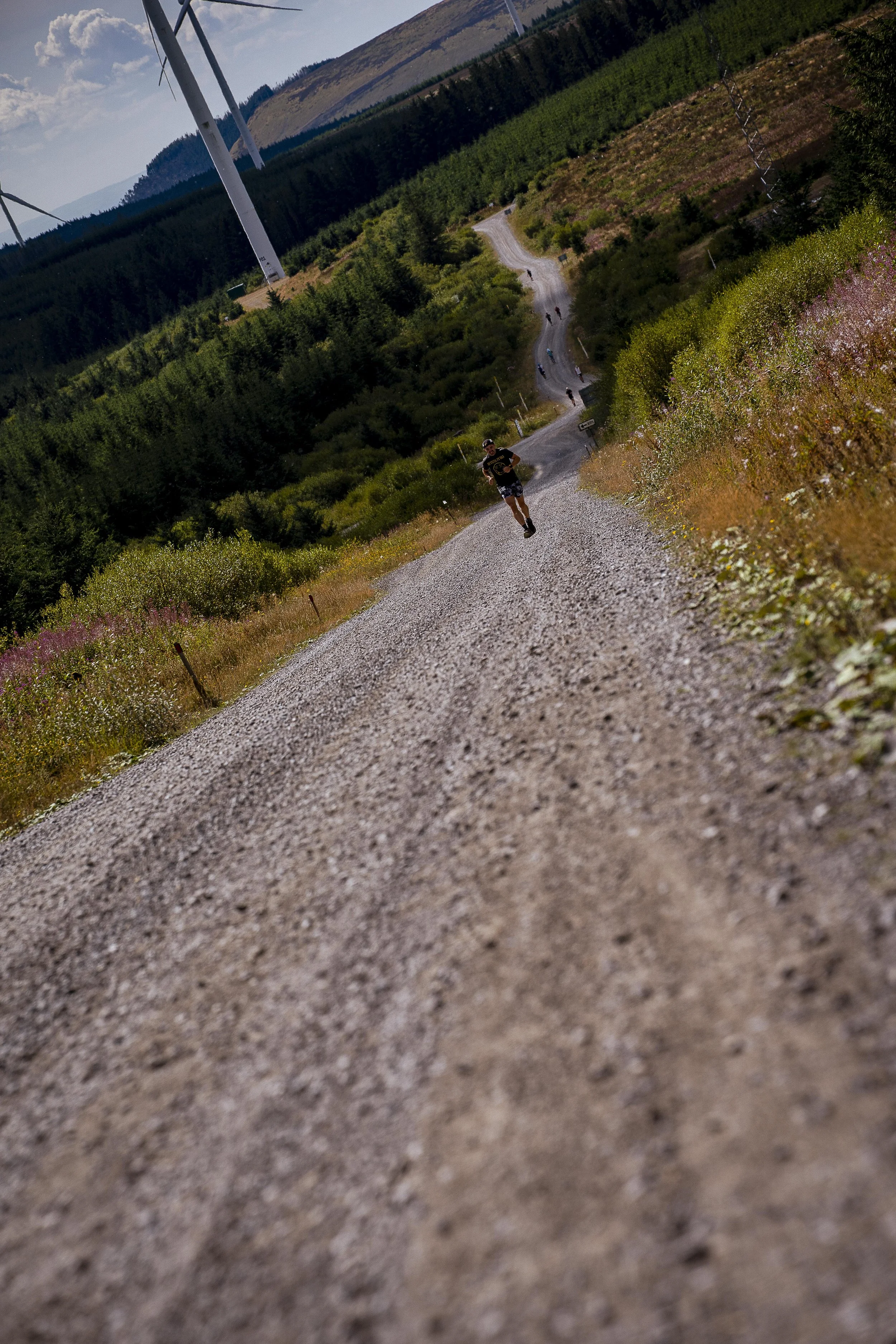
One of the interesting things I noticed during the 2026 edition was just how much the perception of this section changed as the day went on.
Early on, it felt like a lovely opportunity to stretch the legs.
Later, with fatigue accumulating and the same landscape repeating itself, it became a rather different proposition. The ebb and flow of ultras…
Winter Wonderland
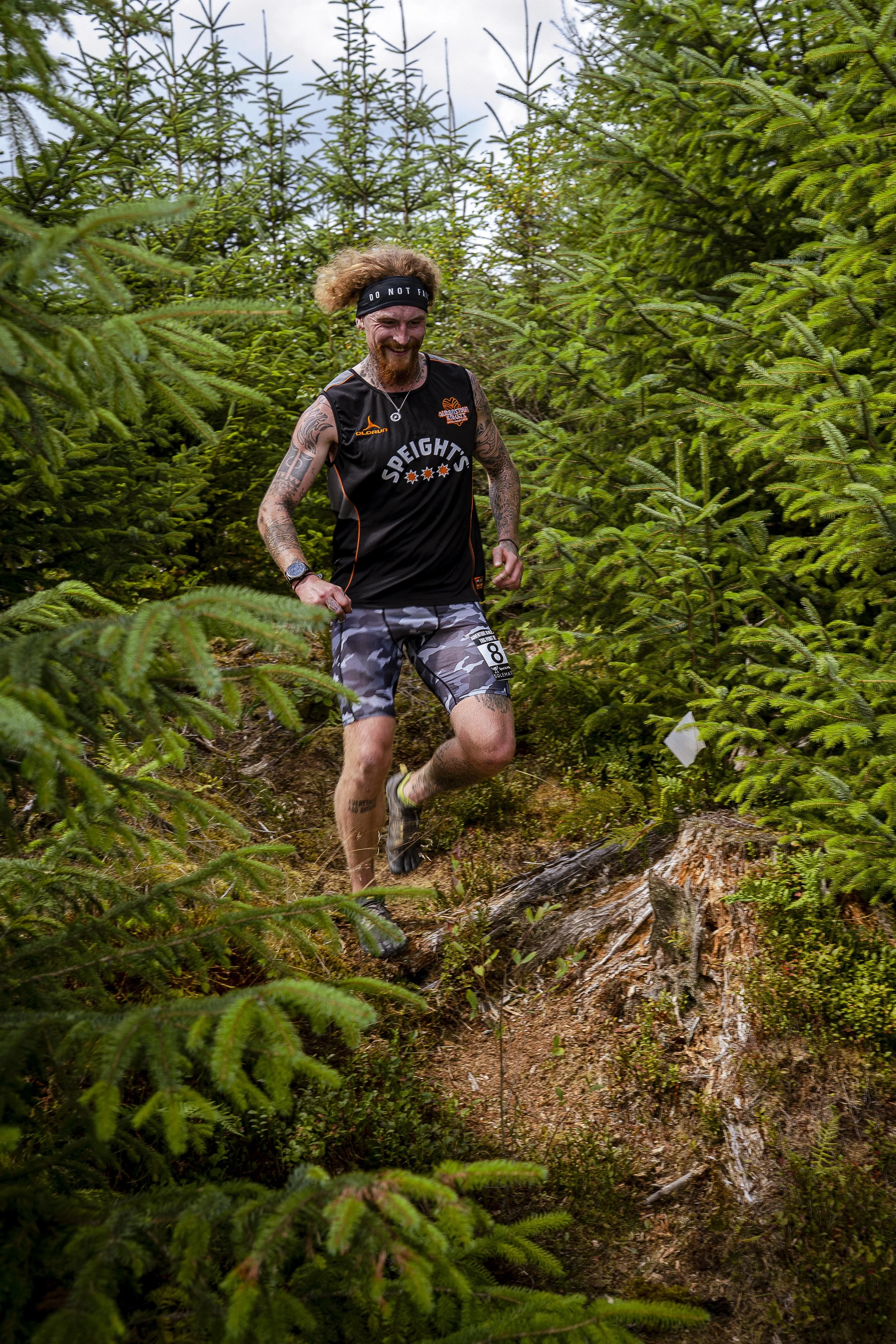
And then we have my personal favourite.
Winter Wonderland.
A short section of dense woodland, where the nice, predictable fire track gives way to something considerably more chaotic.
An overgrown maze of Christmas trees, uneven ground and little twists and turns that require you to keep your wits about you. It's not particularly long, but enough to break up the rhythm and remind you that you're actually running a trail event.
A welcome change from the wind-farm roads, and one of those little course features that gives Trig Point its character. Just be warned: the spongey moss underfoot is deceptive, so watch the footing if you want to avoid an ankle-breaker…
Once through the woodland, the trail opens back out and eventually rejoins the more established track.
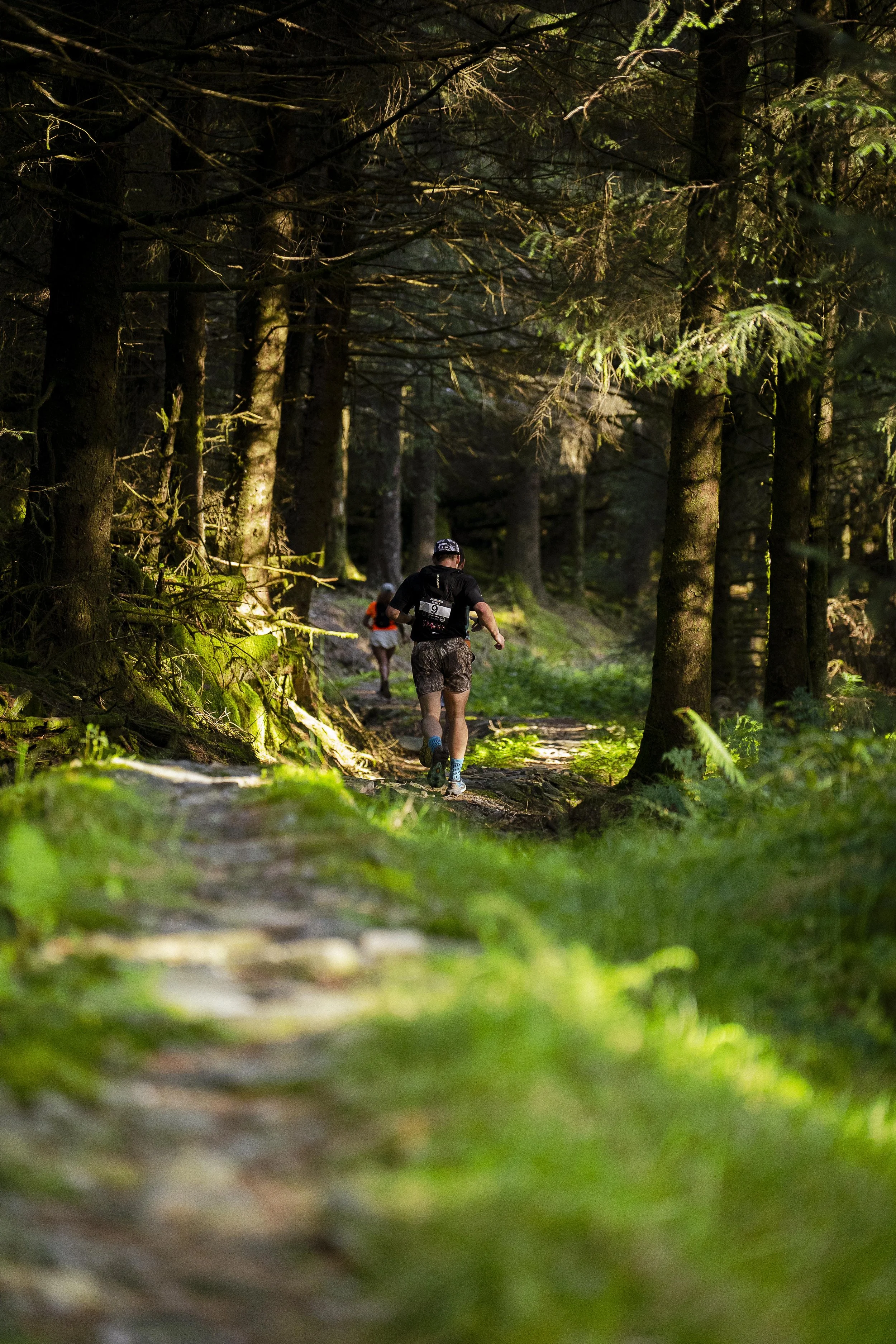
From here, there's a further section of runnable trail before climbing back onto the fire track for the final stretch towards the Green Gate.
It's a relatively fast, predominantly flat/downhill run home.
A nice opportunity to settle back into a rhythm and get yourself over the line ready for another lap.
All in all, it's a cracking little loop.
Enough elevation to provide a challenge, but not so much that you're spending the entire day walking.
Enough technical terrain to keep things interesting, but not so much that you need to be a mountain goat to get around.
And enough variation that each lap offers something different to look at, even when you've already seen it a dozen times…
TRIG POINT 12 | The Perfect Day Out?
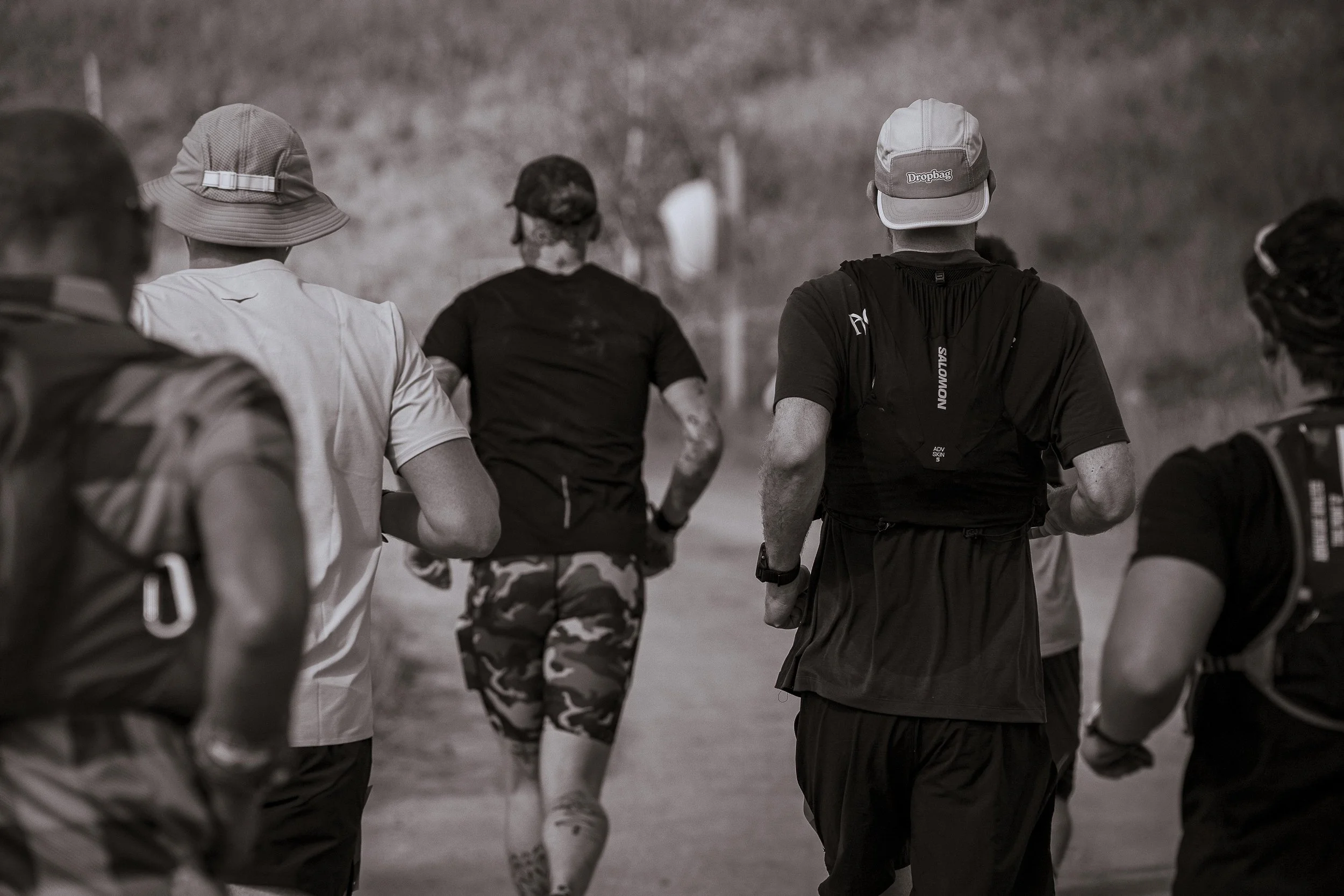
Sunday 18 July 2027 | 0700–1900
First up, we've got the Trig Point 12.
Twelve hours.
A 4.2-mile loop.
Around 542ft of climbing per lap.
And a whole day in the Welsh mountains.
The 12-hour format is a particularly appealing proposition because it sits in that sweet spot between a traditional trail race and a full-blown ultra.
It's accessible enough to attract runners who are perhaps looking to dip their toes into longer-distance trail running, but there's plenty there for those who want to get competitive and see what they can do over the duration.
Having raced the inaugural edition in 2026, I can vouch for the fact that there's also a cracking atmosphere around the event. The local running community was out in force, with a really welcoming feel around the start/finish area.
No unnecessary bells and whistles.
No overcomplicated race village.
Just a group of people who clearly enjoy getting out into the hills and putting on a quality event. Exactly how I like it.
How I'd Approach It
Having run the course previously, I'd say the biggest consideration is pacing.
It's a deceptively runnable loop.
You could quite easily get carried away on the opening climb, absolutely send it down the fire tracks and arrive back at base feeling like you've just won the bloody thing.
But there's 12 hours to play with.
And if you're looking to put together a consistent performance, there's a lot to be said for keeping things controlled early on.
I'd be looking to establish a comfortable rhythm, identify where to hike and where to run, and get into a repeatable routine.
The opening climb is a good opportunity to settle in.
The descent offers a chance to make up a little time without going completely hammer and tongs.
And the woodland sections are where you'll want to stay switched on.
If you're racing competitively, there'll be plenty of opportunity to turn the dial up later in the day.
But don't underestimate the cumulative effect of that 542ft of climbing every lap.
By the time you've completed 10 or 12 loops, you've accumulated a rather healthy amount of elevation.
And your legs will probably have something to say about it.
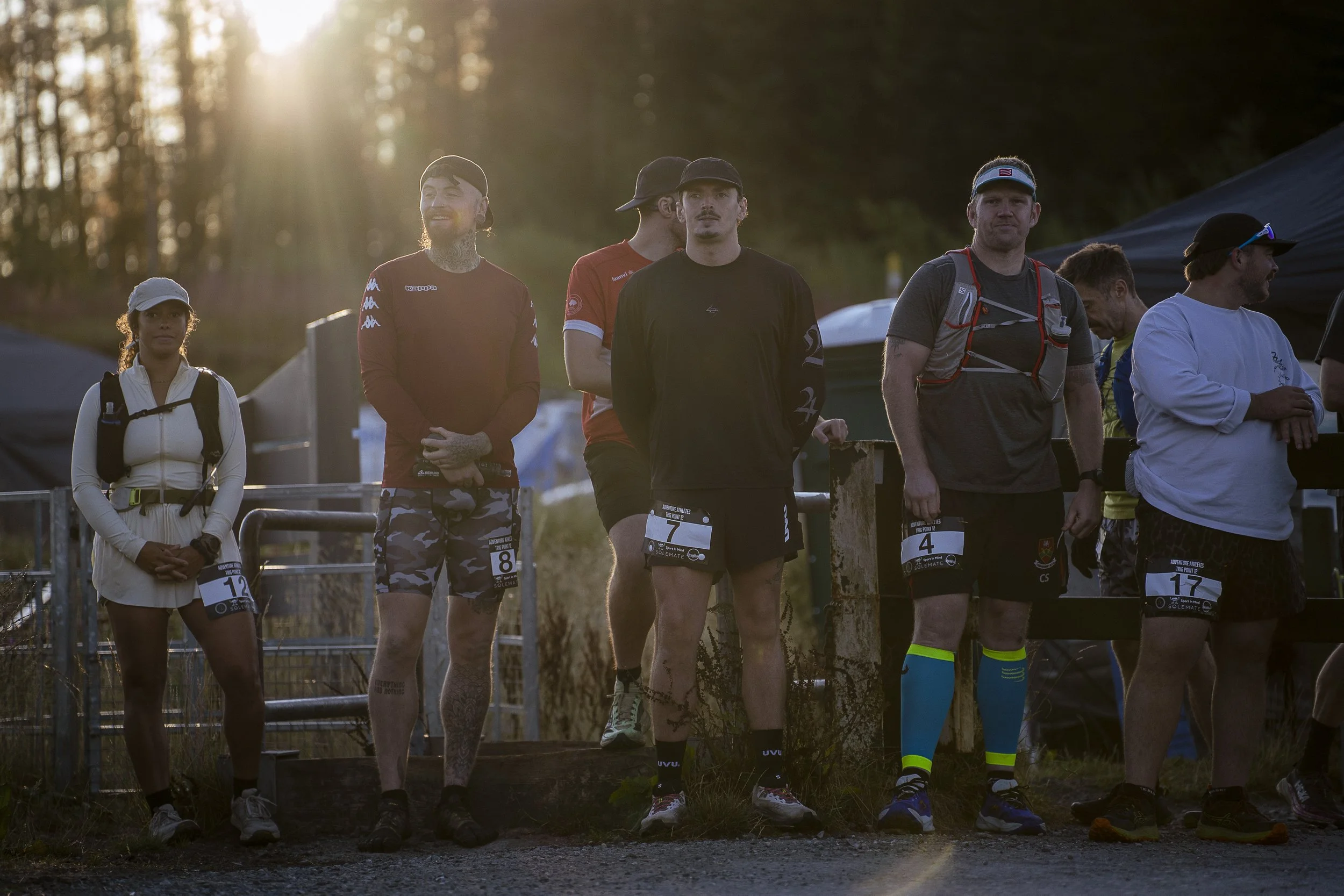
Who Is It For?
I'd argue that the Trig Point 12 has a fairly broad appeal.
If you've never attempted a Backyard-style event, this is a cracking introduction.
If you're a regular trail runner looking for something a little different, it's a great opportunity to test yourself over a fixed period rather than chasing a particular distance.
And if you're a seasoned ultra runner, there's still plenty of scope to have a proper crack at the course and see what sort of distance you can rack up.
You don't need to be an elite athlete to enjoy this one.
You just need to be comfortable spending a bit of time on your feet, have a sensible approach to fuelling and pacing, and be prepared to embrace a day in the mountains.
A belter of an event.
TRIG POINT 24 | Same Playground. Different Beast.
Saturday 25 September – Sunday 26 September 2027 | 0700–0700
And then, two months later, we come back for more.
Only this time, we're doubling the duration - and I am lucky enough to be steering the ship as debut-RD. God help you all…
Trig Point 24 takes everything that makes the 12-hour event appealing and stretches it across a full 24 hours.
Same general course.
Same 542ft of climbing per lap.
Same beautiful Welsh countryside.
But a considerably bigger test of endurance.
Because there's a world of difference between running around a course for 12 hours and doing it for 24. It's not simply a case of doubling the distance; you're introducing an entirely different set of challenges.
Darkness.
Temperature changes.
Sleep deprivation.
Cumulative fatigue.
Fuelling for an entire day and night.
And, of course, the inevitable point where your legs start questioning why you've decided to do this twice.
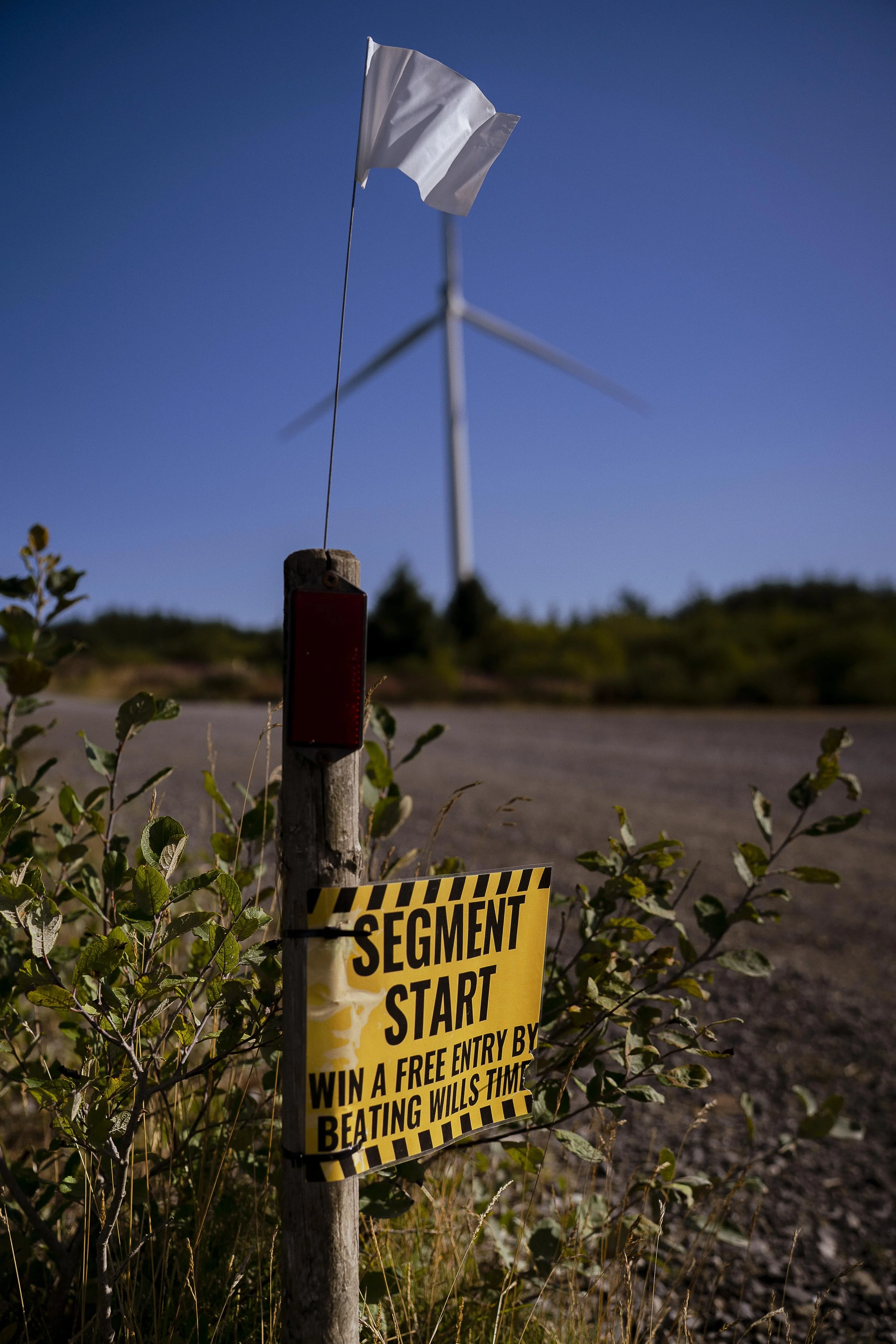
The Course at Night
One of the things I'm particularly looking forward to with the 24-hour edition is experiencing the course in completely different conditions.
The 12-hour event takes place predominantly during daylight, with the afternoon providing some lovely views across the surrounding mountains.
The 24-hour event is a different proposition.
Starting at 0700 on Saturday and finishing at 0700 on Sunday, you'll be taking in the full transition from daylight into darkness and back again.
And that changes the experience considerably.
The fire tracks that feel so straightforward during the day can become rather different when you're relying on a headtorch.
The woodland sections will require more concentration.
And those panoramic views that were doing bits during the afternoon will be replaced by the occasional pool of light illuminating the next few metres of trail.
Personally, I love this side of ultra running.
There's something quite special about being out in the mountains overnight.
The atmosphere changes.
The sounds change.
Your perception of the landscape changes.
And, if you've got a bit of a LOTR fantasy going on, running through a dark Welsh forest at 3am is basically a dream come true; depending on how fruity things get in the upstairs department, you may even see an Orc or two out on the course.
The Real Challenge | Consistency
For the 24-hour event, I think consistency is going to be the name of the game.
Not necessarily speed.
Not necessarily trying to put together the fastest possible opening laps.
Just finding a rhythm that you can sustain for a very long time.
The course lends itself quite nicely to this, given that much of it is runnable.
But the cumulative elevation is worth respecting.
542ft per lap might not sound like much, but repeat that enough times and you're looking at a significant amount of climbing.
And unlike a point-to-point ultra, where you can gradually settle into a rhythm and tick off the miles, you're returning to the same start/finish area every lap.
That brings its own psychological challenge.
You'll see the same gate.
The same tracks.
The same woodland.
And, eventually, the same faces.
For some, that's a huge positive.
For others, it can become a bit of a head game.
Personally, I quite enjoy the repetitive nature of these events. There's something satisfying about having a familiar loop, knowing exactly what's coming and being able to break the race down into manageable chunks.
One lap at a time.
One hour at a time.
One little objective at a time.
And before you know it, you've covered a rather silly amount of ground.
Fuelling & Body Management
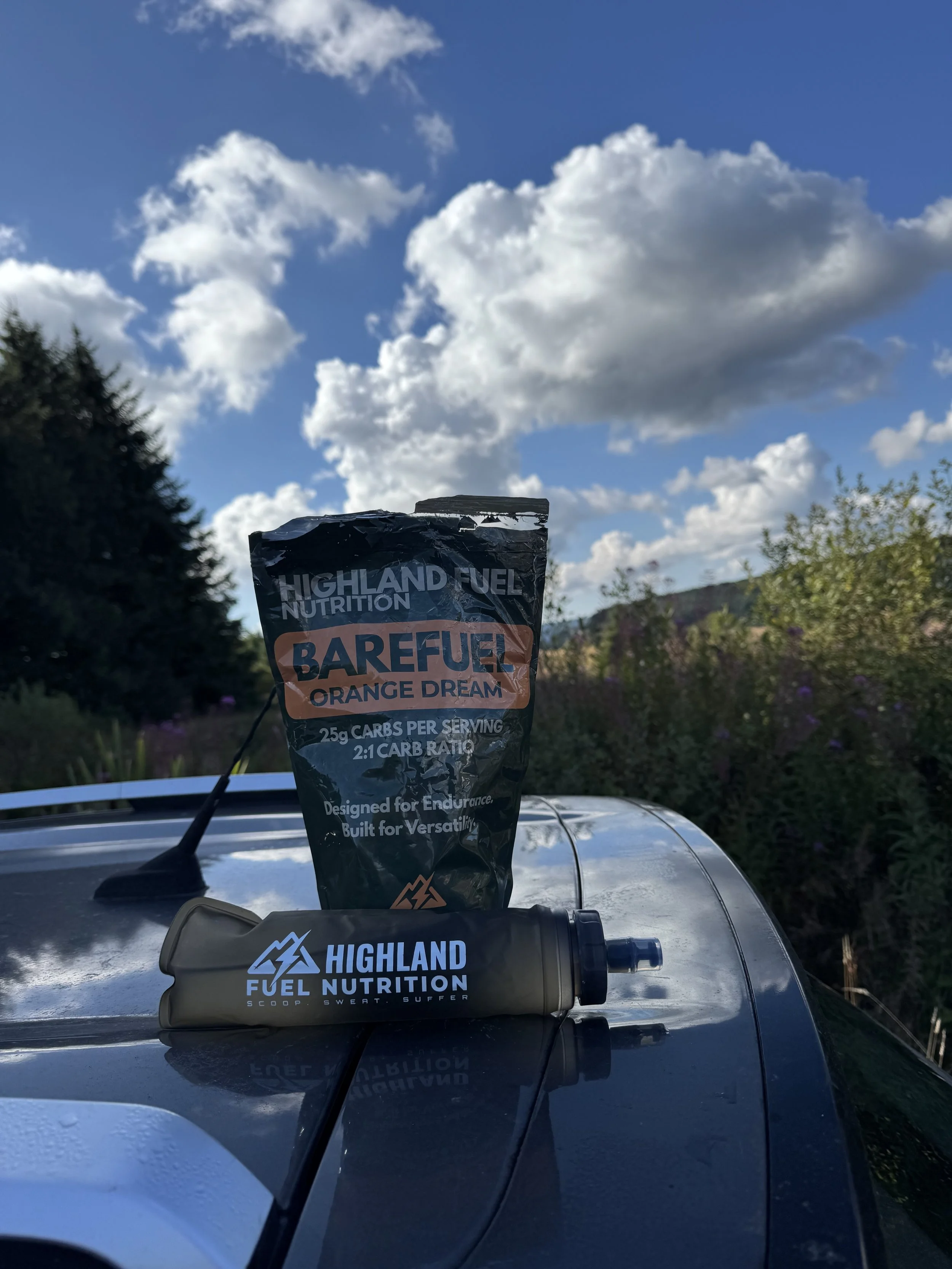
The other big consideration is fuelling.
For a 12-hour event, you can get away with a relatively straightforward strategy if you've practised it properly.
For 24 hours, things become considerably more involved.
You'll need to be consistent with carbohydrate intake, hydration and electrolytes, whilst having enough variety in your food to keep things palatable as the hours tick by.
Because at some point, the thought of another gel might make you want to launch yourself into the nearest wind turbine.
I'd be looking to establish a reliable baseline of carbohydrate intake and build around that with a selection of solids.
Sweet.
Savoury.
Hot food.
Cold food.
Whatever works.
The same goes for body management.
Feet, socks, shoes, chafe, temperature and general fatigue all become increasingly important.
A tiny hotspot at hour four can become a rather significant problem by hour 18.
Likewise, having dry clothing, spare socks and suitable layers available overnight could make a massive difference to how comfortable you remain.
If you've read my previous piece on body management for Backyard Ultras, you'll know I'm a big advocate of getting ahead of these things rather than waiting until something goes Pete Tong.
The longer the event, the more important the little things become.
Who Is It For?
The Trig Point 24 is naturally aimed at those who fancy a bigger endurance challenge.
If you've completed a 12-hour event and want to see what happens when you double the duration, this is a cracking next step.
Likewise, if you're already an experienced ultra runner and fancy a different type of challenge, the course offers a great opportunity to test your consistency, resilience and overall race execution.
But don't be fooled into thinking that you need to be an elite athlete to take part.
The beauty of these events is that everyone has their own race.
Some will be chasing a big mileage target.
Some will be looking to complete the full 24 hours.
Others will simply want to see how far they can get.
All perfectly valid reasons to get yourself on the start line.
Just make sure you've got a sensible training and fuelling strategy in place.
Because 24 hours is a long time to wing it.
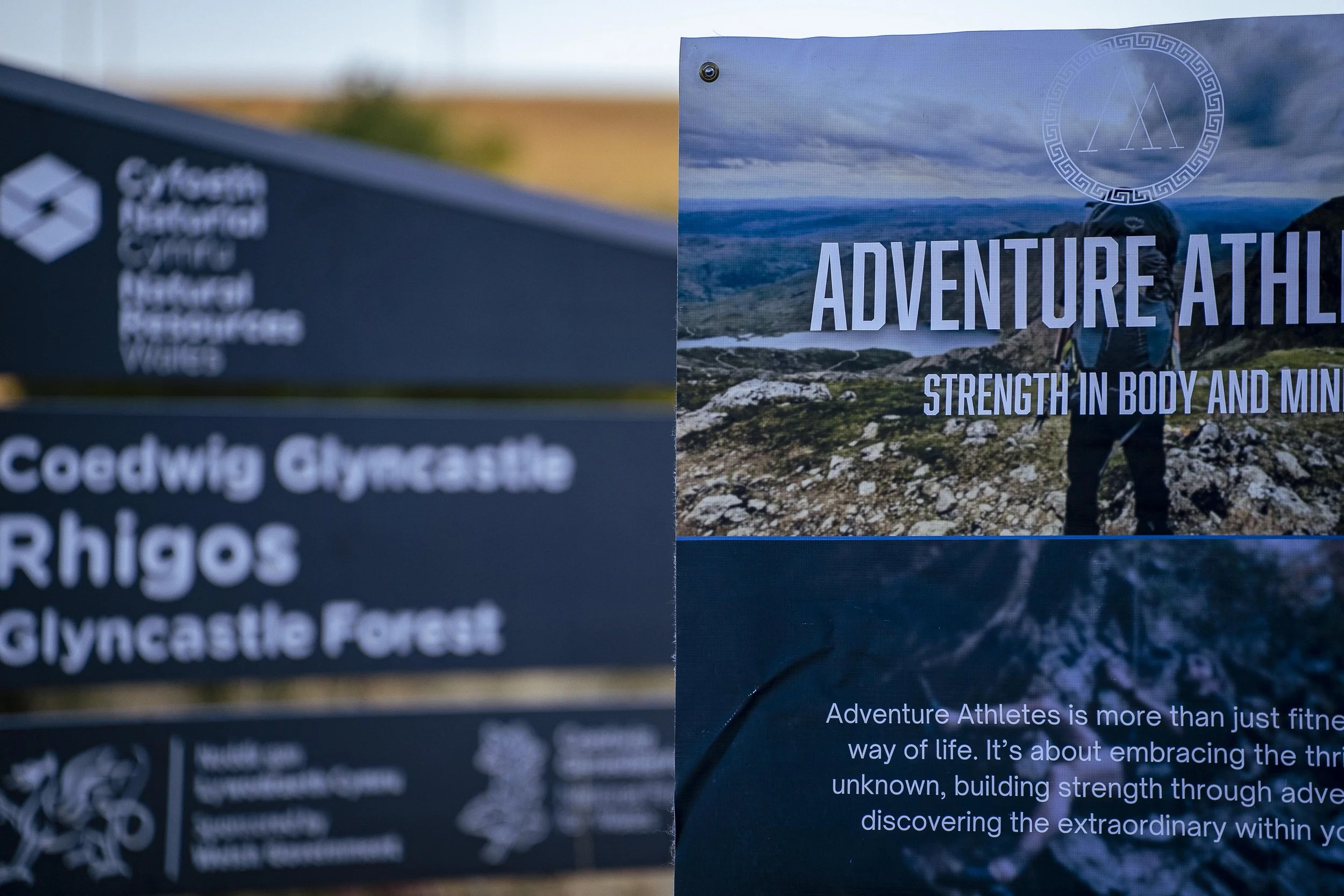
Adventure Athletes | The People Behind the Event
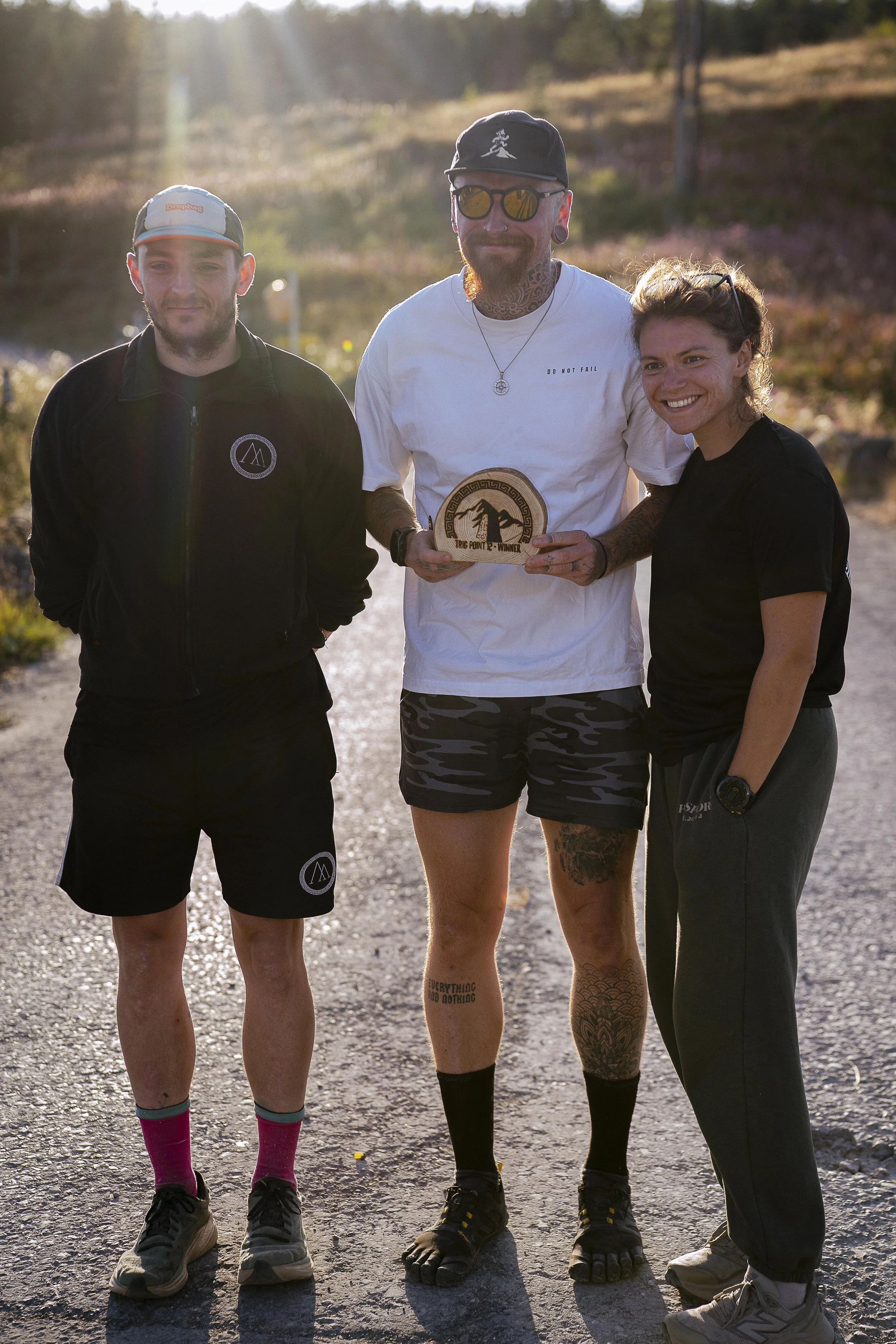
One of the things that stood out to me during the inaugural Trig Point 12 was the atmosphere around the event. There's a real sense of community within the Adventure Athletes setup.
Will, Courtney and the wider team have created something that feels refreshingly uncomplicated.
A great location.
A cracking course.
Friendly faces.
Plenty of support.
And an environment where people can come together, challenge themselves and enjoy a day — or night - or both (!) — out in the mountains.
Having raced the inaugural edition, I know first-hand how much goes into putting on an event like this. And it's something I'm genuinely looking forward to being involved with in 2027 - from both sides of the island.
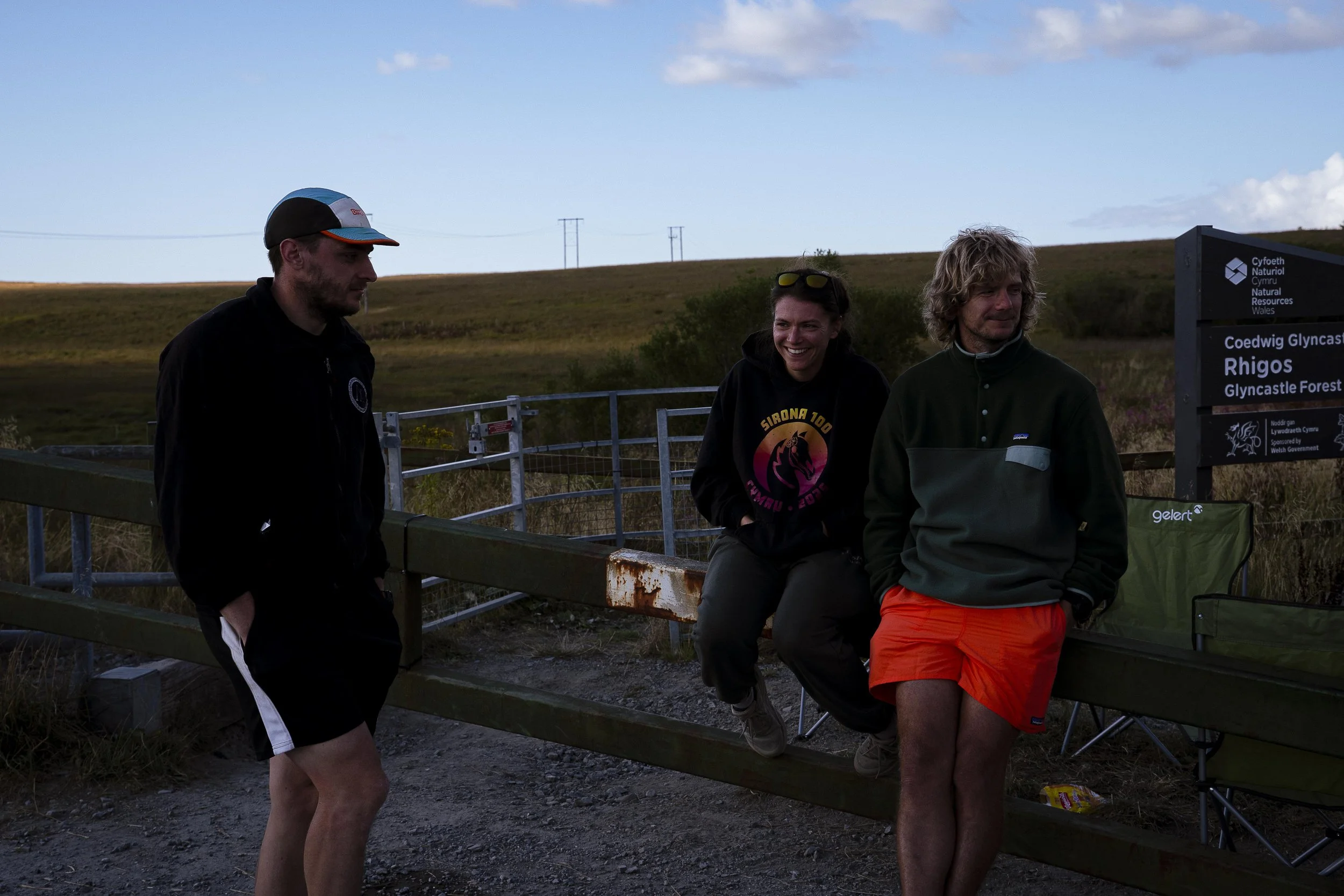
As a sponsored athlete for Adventure Athletes, I'm delighted to be supporting the events and helping spread the word about what they're building; and if the first edition is anything to go by, there's plenty more to come.
The Final Word
Two events.
One cracking location.
A shared course.
And two very different challenges.
A brilliant introduction to the Backyard-style format, a competitive little trail challenge and a fantastic excuse to spend 12 hours in the Welsh mountains.
Trig Point 24 — 25–26 September 2027
The same playground, but with an entirely different level of endurance required.
A full day and night on the trails, where consistency, fuelling and body management will be just as important as fitness.
Having experienced the course in 2026, I can confidently say that Rhigos is a cracking place to spend a day on the trails.
The scenery is beautiful.
The course is varied.
The people are quality.
And the atmosphere is exactly what I love about these smaller, community-driven events.
So whether you're looking to dip your toes into the world of Backyard running or fancy taking on a full 24-hour challenge, I'd thoroughly recommend getting one of these in the diary.
I'll certainly be back.
And this time, I'm not just coming over for the day.
Double dose of Rhigos.
Game on.
Huge thanks to Will and everyone at Adventure Athletes for having me on board.
Adventure is Out There.