Basics of Body Management for Ultras
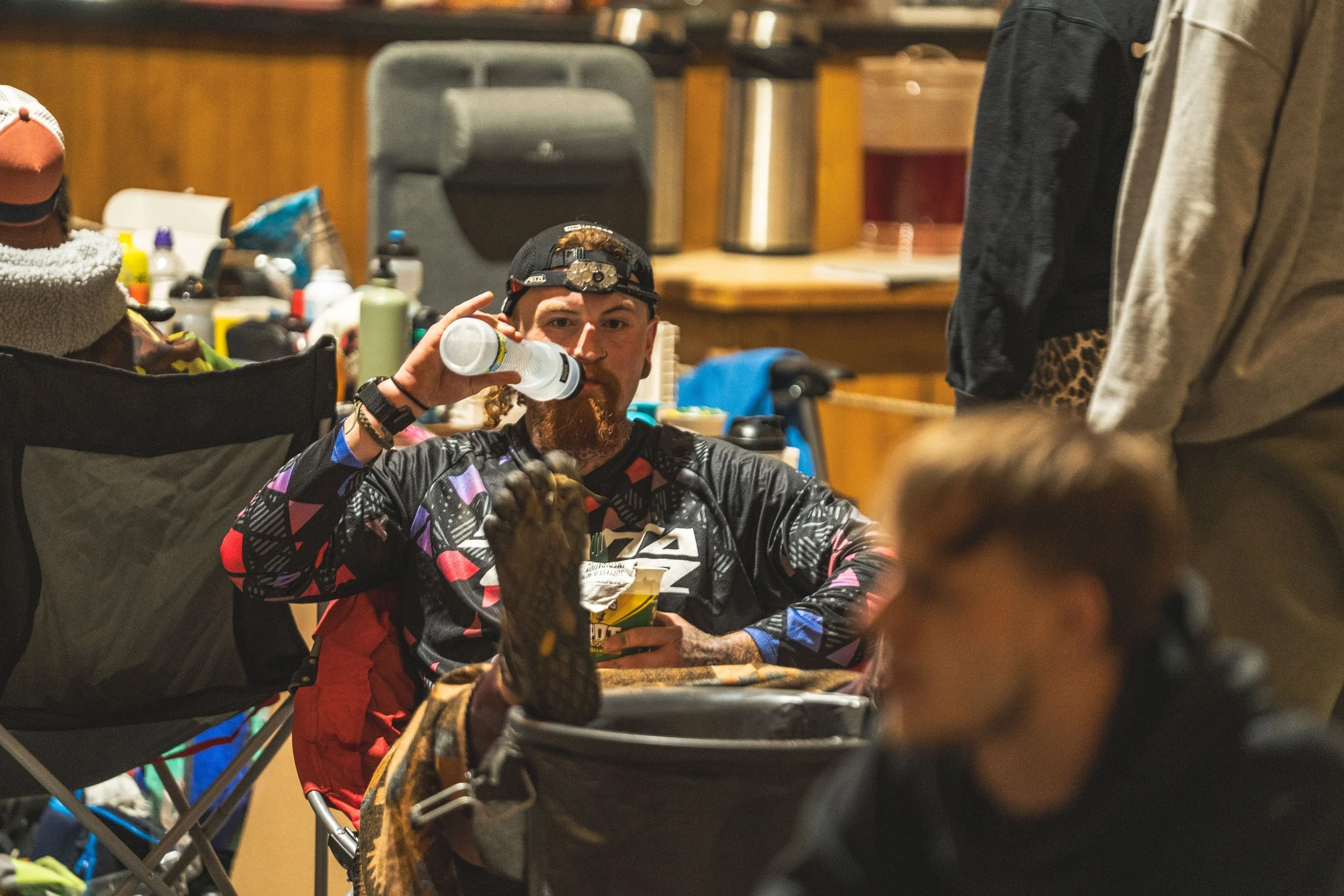
Let’s be honest.
When we talk about ultra running, we tend to obsess over the sexy stuff; be that training, kit, nutrition, pacing plans etc.
How many grams of carbohydrate we can ram down our necks per hour before our stomach decides it’s leaving the chat. All important stuff.
BUT there’s another side to ultra running that gets considerably less attention until it’s too late: Body management.
Whether it’s Backyard, point to point, looped or whatever psychotic format you have chosen, how you manage your body matters more than you think.
And when it comes to BYU, you’re not just running a long way.
You’re repeatedly putting the body through the same cycle.
Run.
Stop.
Eat.
Drink.
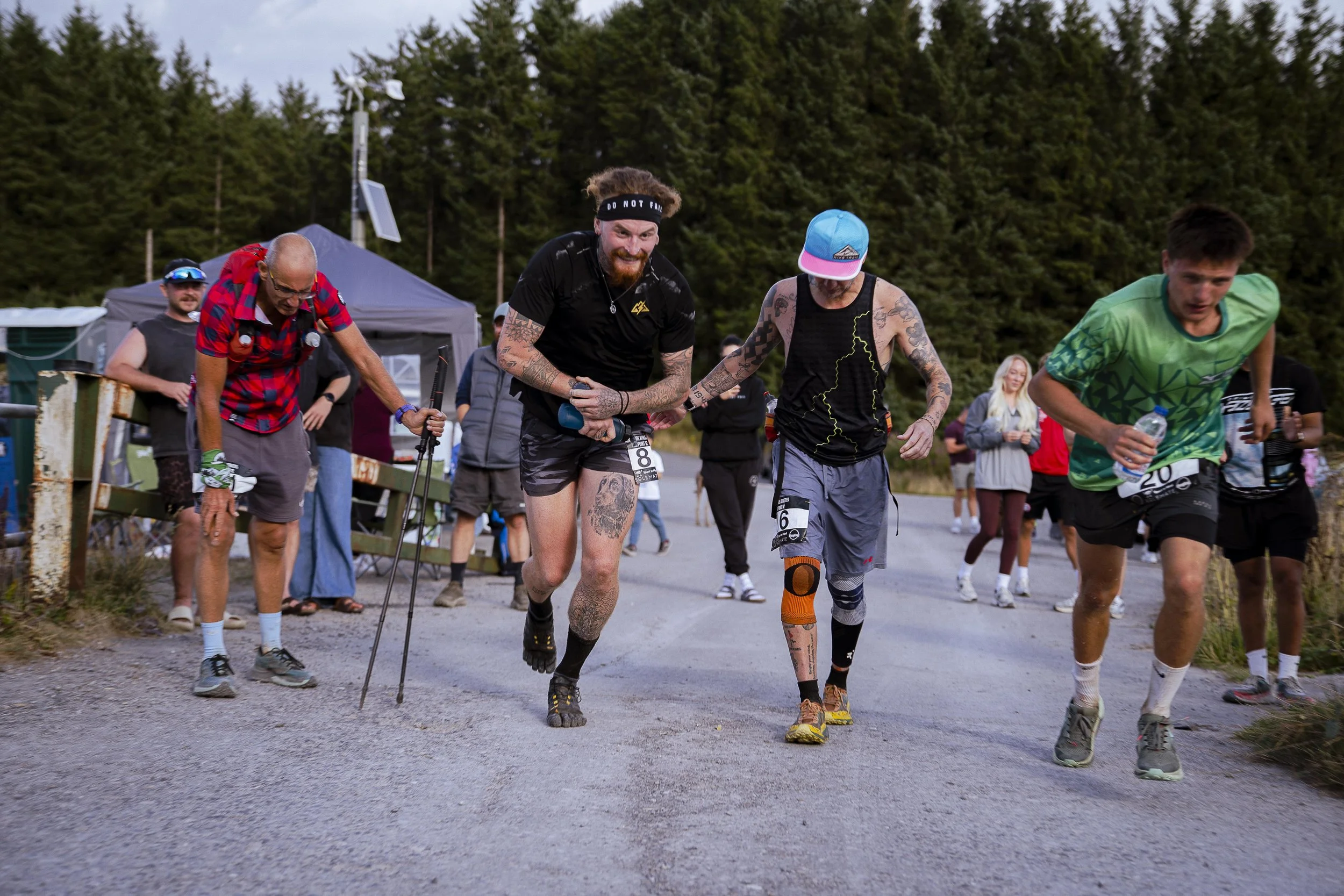
Repeat. Multiple times over. Potentially for 12, 24, 36 hours or more.
Which means the little things start to become big things.
A tiny hotspot; a slightly swollen foot; a bit of chafe.
Or worse, a wet pair of socks.
Things that it’s easy to think “I’ll deal with that later”; and before too long, you’re hobbling around like you’ve just escaped from a medieval battlefield.
The beauty of a Backyard is that you’ve got regular opportunities to manage this stuff.
Use them.
Because the objective isn’t simply to be fit enough to run the next yard. It’s to keep the Rig functioning for as long as possible.
FOOTCARE I — Blisters
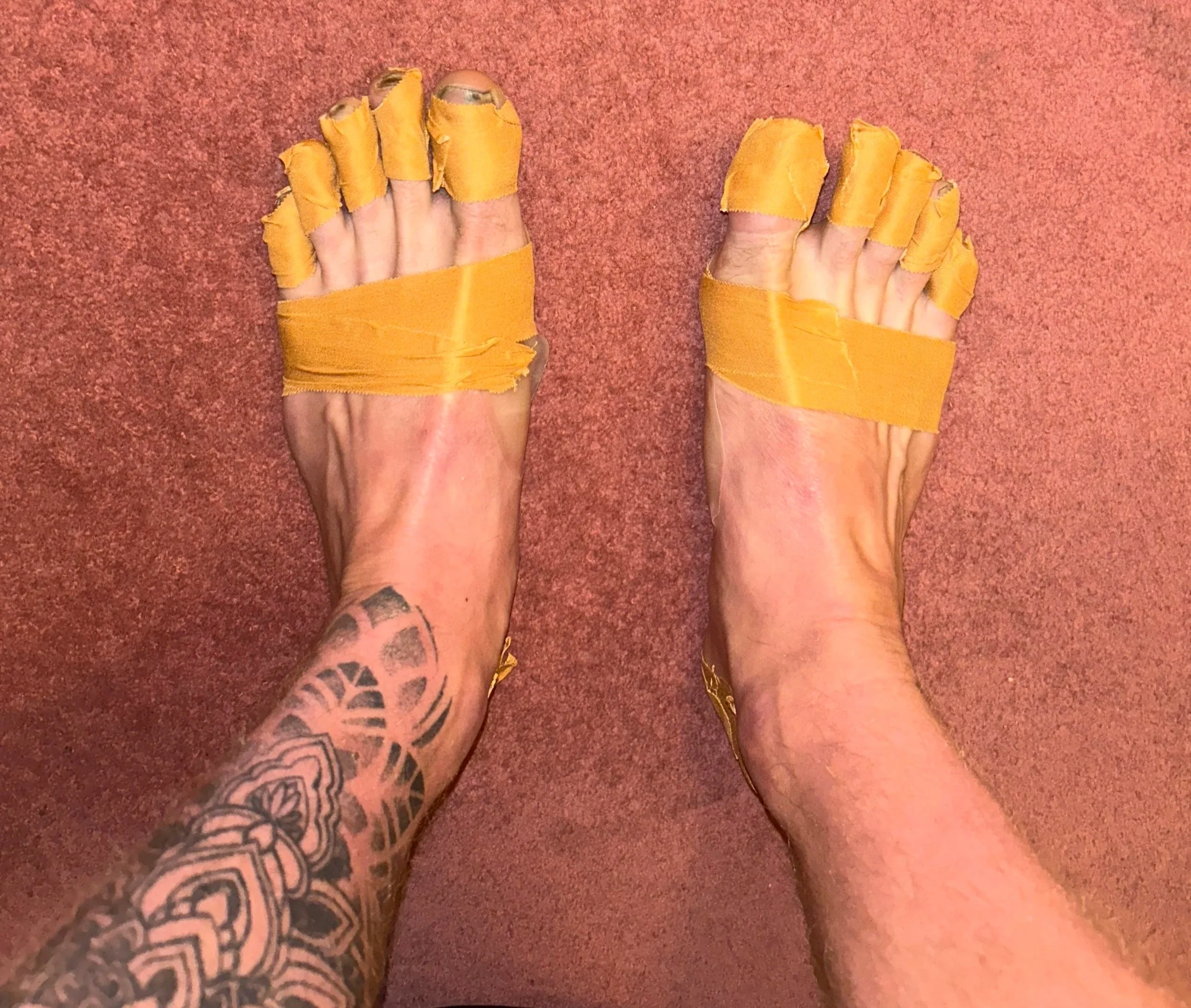
Feet are probably the biggest one.
They’re the things you’re repeatedly smashing into the ground for hundreds of thousands of steps, often whilst wet, sweaty, muddy and stuffed inside a shoe that has accumulated enough debris to qualify as its own ecosystem.
We need to look after the Dogs; my first line of defence being TrailSkin Foot Balm.
Get it on before the race and use it as part of your preparation rather than waiting until your feet are already screaming at you. The objective is to reduce friction and keep the skin in a condition where it can cope with the absolute beating you’re about to give it.
I’m also a big fan of Moleskin / Zinc Oxide Tape around individual toes where I know I’m susceptible to rubbing; particularly wearing FiveFingers.
And then there’s the golden rule:
Address hotspots as soon as you feel them coming on.
Not when you’ve done another three yards.
There and then.
A hotspot is essentially your body sending you a memo.
“Hello mate. Something is rubbing here.”
Listen to it.
Take a note out of TFL’s book; See it. Say it. Sort it
A small intervention early can save you a massive problem later; and if you’ve got a known history of blisters, don’t leave the preparation until race morning.
Know where your problem areas are.
Know what tape works.
Know what balm works.
And, most importantly, know how your feet respond to your chosen shoes and socks.
Don’t use a Backyard as a live experiment.
FOOTCARE II — Trench Foot
Now we’re getting into the glitz and glam of Ultra.
Trench foot.
If you’ve never experienced it, congratulations. But if you’ve run a long, wet winter ultra in the UK, there’s a reasonable chance you’ve at least flirted with this beautiful sensation.
Cold. Wet. Sweaty.
Feet sitting in soggy socks for hours on end. Glorious.
For me, the ultimate remedy comes in the form of TrailSkin TF Cream from the off and regular sock changes (general rule of thumb, new pair every 8 hours depending on conditions underfoot).
Don’t be sparse in packing a Sock Box ready for HQ.
They’re tiny.
They weigh next to fuck all.
And when your feet are wet after 10 hours of rain, puddles, bogs and general British misery, that dry pair of socks might be worth its weight in gold.
When you get back in the Shed, the first priority should always be: LET THE FEET DRY.
At every opportunity, get the shoes and socks off. Have a look. Dry the feet off with a towel. Change socks if needed. Reapply whatever you need.
Give the poor bastards some time to breathe; it doesn’t have to be a spa day. Just some basic maintenance that goes a hell of a long way to keeping things moving.
Cold, wet conditions over prolonged periods can damage the skin and tissues of the feet, so keeping them dry and changing wet socks regularly are essential preventative measures for trench foot.
And remember:
PREVENTATIVE MAINTENANCE not EMERGENCY MANAGEMENT
FOOTCARE III — Swelling, Shoes & Toes
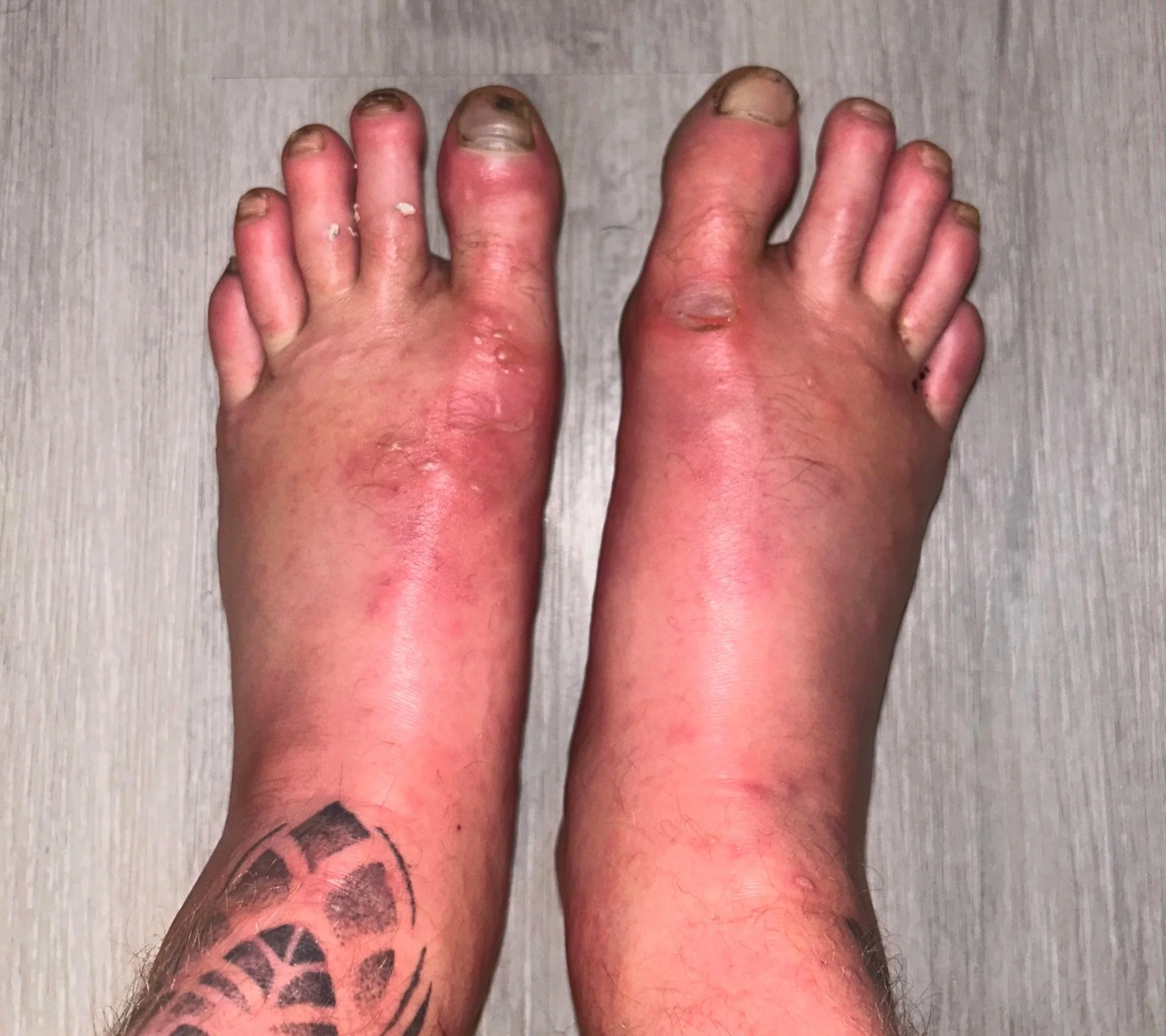
This is one I think gets overlooked massively .
Your feet can change. In fact, they almost definitely will.
The shoes that feel on a dime at 7am might feel very different at 7pm.
And at 3am? Different gravy.
Hours of running can lead to swelling, whilst fatigue and changes in gait can alter where pressure is being applied. Suddenly that lovely little bit of extra room you had around your toes has disappeared; and now your big toe is becoming a little too intimate with the front of your shoe.
Not ideal.
So don’t just think about your feet; think about the space around your feet.
If you’re in for a prolonged shift, I’d strongly consider having multiple pairs of shoes available.
Potentially a different model. Potentially a size or two up. Personally, anything north of 24hrs on the feet and the Dogs are up 1-2 EU sizes. A wet, thick, swollen foot in a tight shoe is a recipe for problems.
And then there’s the toenails; keep them trimmed, file off sharp edges and get them neatened out before race day.
And don’t turn up to the Backyard with a pair of shoes you’ve never worn for more than 10 miles because they looked fucking cool on Instagram.
Your feet don’t care.
They want space.
They want comfort.
They want familiarity.
And they want to make it through the night.
INFLAMMATION / SORE JOINTS
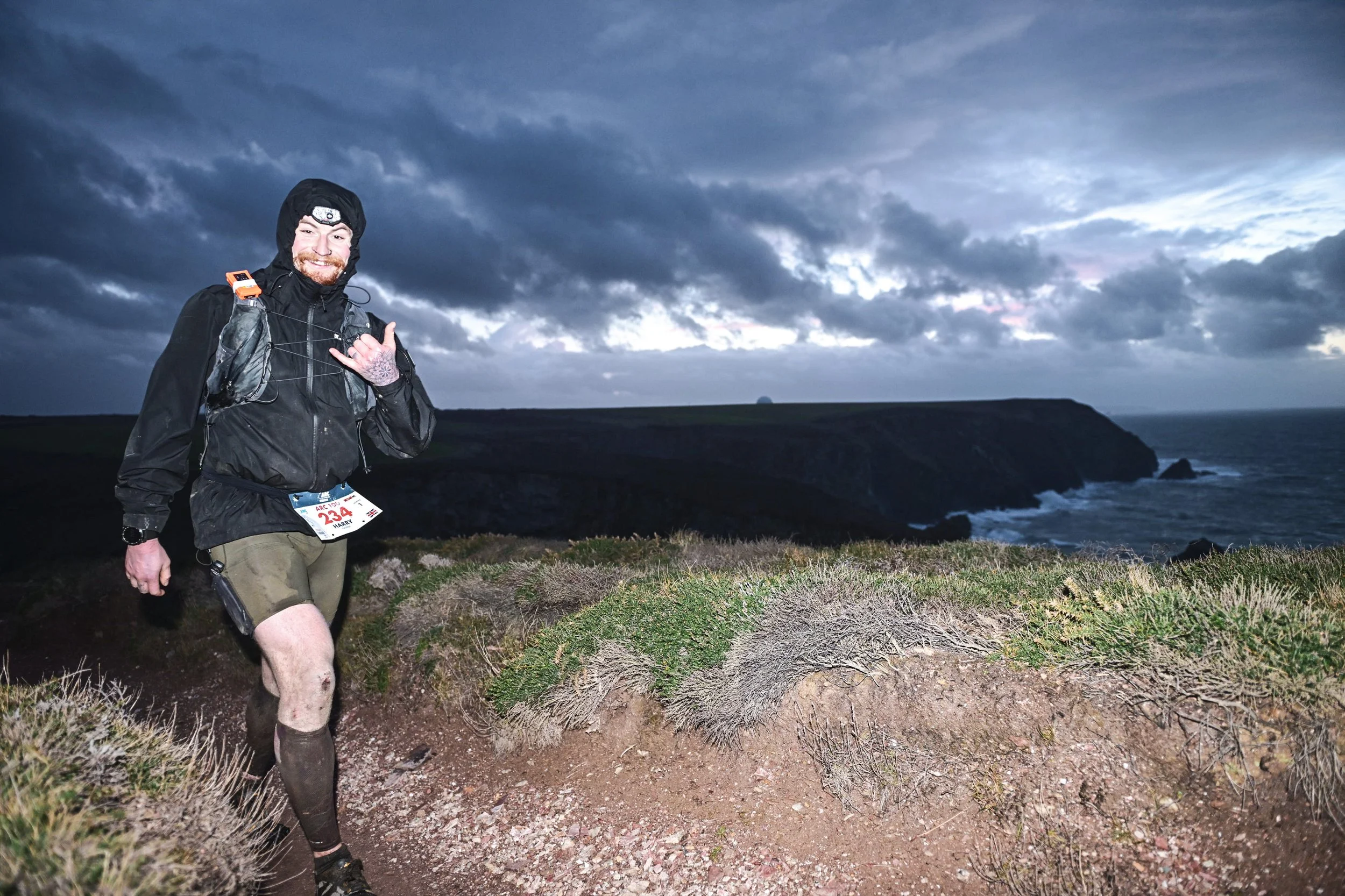
This is where things get a little more nuanced.
Because after running for 10+ hours, something is probably going to hurt.
Not probably. Inevitably. That’s ultra running!
Your knees might be sore; your ankles might be complaining; and your hips may have started sending increasingly strongly worded emails.
Your entire musculoskeletal system may simply have had enough of your bullshit. The temptation is to reach for the medicine cabinet. Which brings me to a fairly important point.
NO IBUPROFEN AS AN ULTRA STRATEGY.
Ibuprofen is an NSAID and can cause gastrointestinal and kidney-related side effects. Been there, done that, got the T-Shirt; and trust me when I say it is no fun at all.
Those risks can become more relevant during prolonged endurance exercise, particularly when hydration status is compromised.
Taking ibuprofen because your knee hurts isn’t a fuelling strategy; it’s simply masking a problem that I PROMISE will come back and bite you on the ass. Hard.
And if you’re using painkillers to bulldoze through increasingly serious pain, you need to have a think about what’s actually going on. Instead, there are a few tools I have in the Shed.
Cherry juice
Cherry juice can be useful as part of the broader recovery strategy and is something I like to include around hard training and racing.
It’s not magic.
It isn’t going to turn your battered legs into those of a 20-year-old Kenyan marathoner overnight.
But it’s a useful nutritional tool to have in the arsenal.
Ginger
Same principle.
Ginger is something I use as part of the overall nutritional picture, particularly around recovery.
Again, don’t confuse potentially useful with miracle cure. If there was a magic potion for ultra soreness, we’d all be drinking it.
Ice
Sometimes the old stuff works.
If something is acutely sore after a big effort, sensible use of cold can be useful for symptom management. But don’t fall into the trap of thinking you need to ice every single body part after every yard.
Sometimes you just need to recover.
Eat.
Drink.
Sleep.
Move.
And give the body some time.
The important bit is knowing the difference between normal fatigue and something that needs proper attention. If pain is severe, worsening, associated with significant swelling, instability, numbness or you can’t weight-bear properly, that’s no longer a “crack on” situation.
Get it looked at if you have any worries. Don’t be a hero - always best to get the green light from a medical professional.
CHAFE
The silent assassin.
The thing nobody thinks about until they’re 40 miles in walking like John Wayne.
The main areas I tend to watch are:
Thighs.
Pits.
Nips.
Mid-back.
And pretty much anywhere else where skin, sweat, clothing and repetitive movement decide to start a small industrial-scale friction experiment.
For me, TrailSkin + Vaseline are staples.
Get the vulnerable areas covered before you start; NOT after.
Because once you’ve got proper chafe, applying anything to it can feel like rubbing chilli sauce into an open wound.
Particularly the nipples.
Gentlemen…
Tape the nips.
Don’t turn up to a BYU in a white shirt, spend 18 hours running through the rain and then act surprised when your chest looks like it’s been attacked by a cheese grater.
The other big one is the thighs; or, as it’s more commonly known, Chub Rub.
Again, lube is your best friend. And a couple of spare pairs of pants won’t go amiss either - similar to the socks, a new pair can make you feel like a million dollars…
The two that tend to catch people out are PITS and MID-BACK.
Shirts going through a constant cycle of sweat, dry, repeat; straps on a pack fastened tightly for security - the ultimate equation for a full-blown friction factory. Both of these areas may need a bit of attention, as the last thing you want to be focusing on mid-yard is what’s going on with the upper body - you’re going to need every ounce of mental energy to devote to keeping it on the island upstairs.
This is another reason I’m a big believer in regular shirt changes during long races.
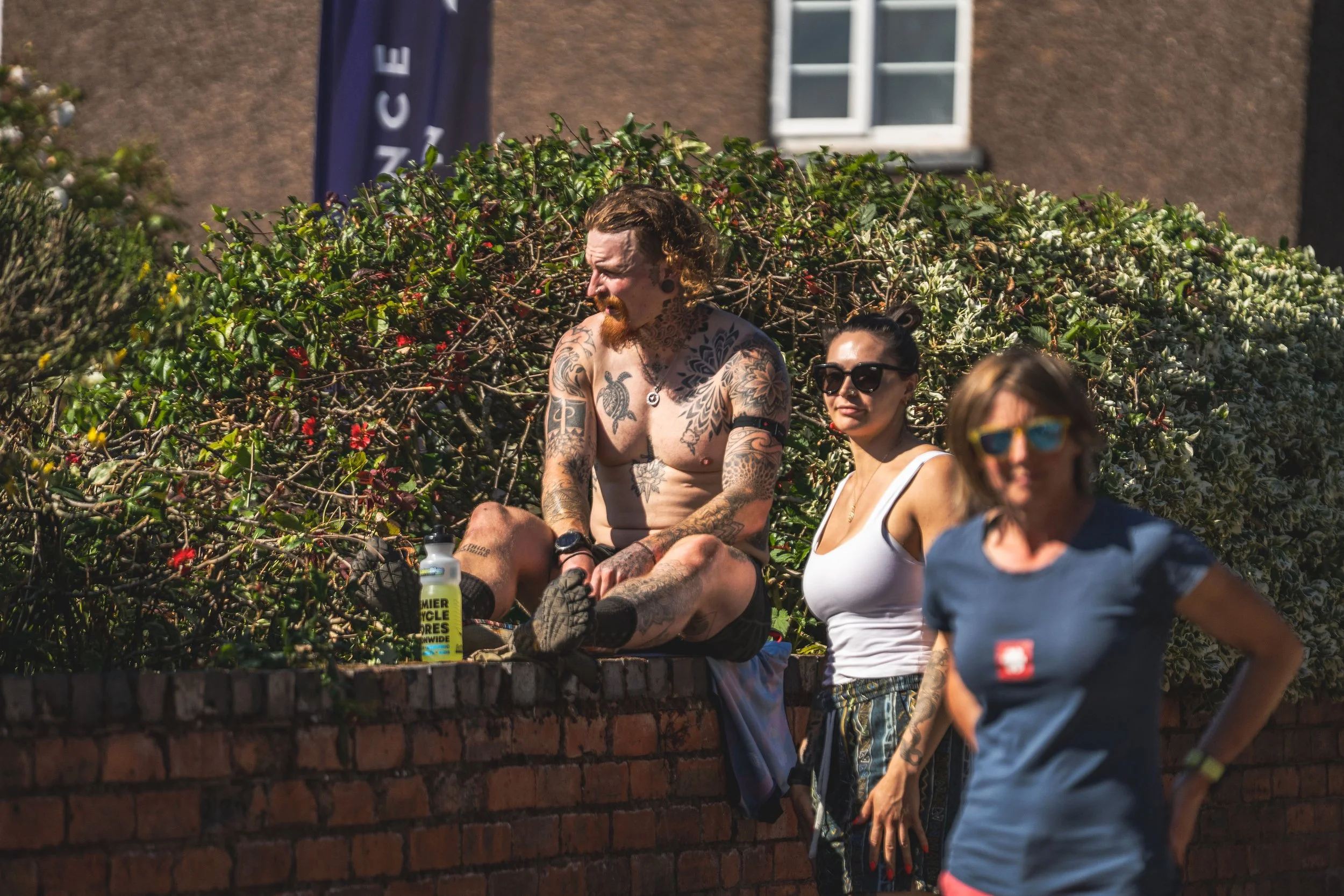
Pack lots of tees, long-sleeves and vests. Have them on a rotation if need be.
Get the wet shirt off.
Get a dry one on.
Reapply your anti-chafe product.
Reset. Crack on.
TEMPERATURE MANAGEMENT
This one becomes increasingly important the longer a Backyard goes on.
Because you’re not racing for three hours in one set of conditions.
You’re starting in warm sunshine, running through dusk, into the night, through the coldest part of the morning and back towards daylight.
The body you had at 2pm isn’t dealing with the same environment at 3am.
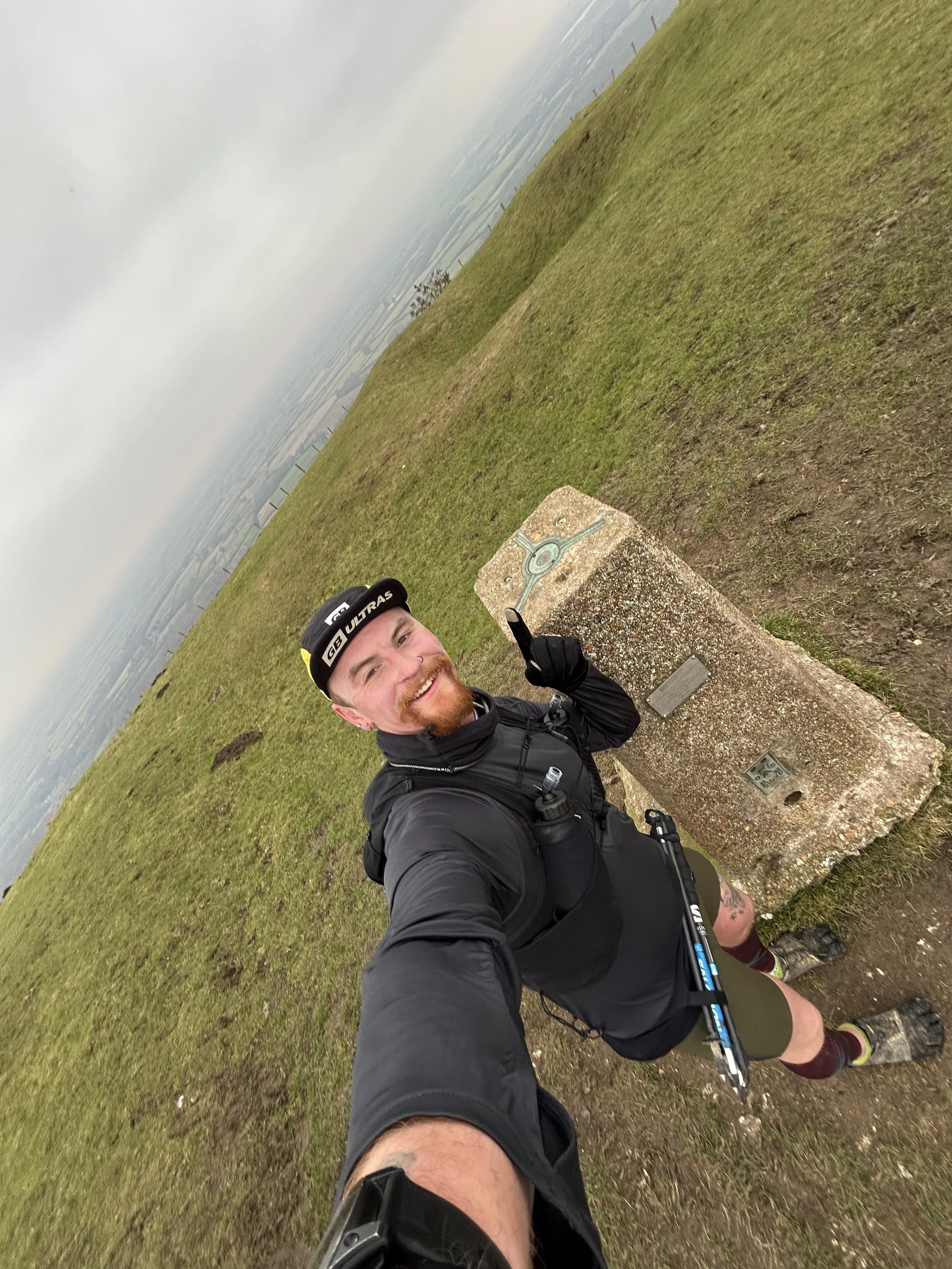
And this is where preparation matters.
Have layers - gloves, hats, waterproofs, dry clothes.
Options for every scenario; because the worst time to realise you’re fucking freezing is when you’re already fucking freezing.
And remember that you’re not only managing temperature whilst running.
You’re managing it between yards too.
Don’t sit around for 10 minutes in a soaking wet shirt because you’re knackered. It is very hard to warm up after that, even when you start running again; and can easily catch you out and end your race. Get it off to dry on a pole/hanger, while you yourself dry off and warm up/cool down where necessary.
Temperature management is about staying in the sweet spot where you’re comfortable enough to keep functioning; and the longer your body goes without proper sleep while continuously moving, the more external attention it requires.
SLEEP & COGNITIVE FATIGUE
This is where the Backyard gets properly interesting.
At some point, particularly if you’re still running deep into the night, your legs may not be the biggest problem. It’ll likely be your brain.
Tired. On the verge of exhaustion.
You forget things.
Lose concentration.
Become clumsy.
Struggle to organise your kit.
Make bizarre fuelling decisions.
Feel disproportionately emotional about something that wouldn’t normally bother you.
Or, worst of all, start dropping off to sleep.
This is one of the reasons having a crew, support person or a well-rehearsed routine can be so useful. You don’t want to be making complex decisions at 4am when you’ve been awake for 20 hours and your brain is operating somewhere around the processing power of a potato.
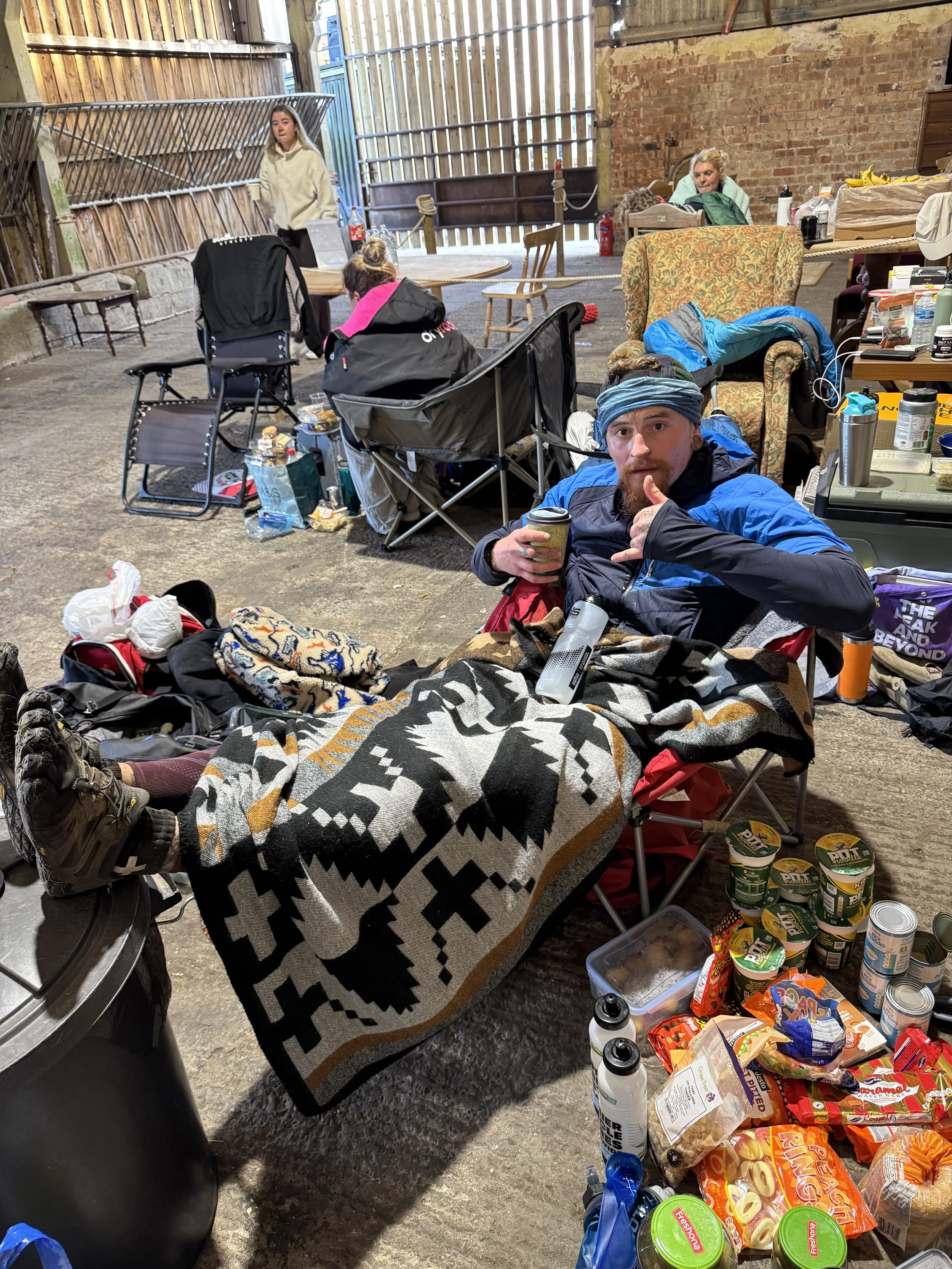
Keep things simple. Set everything up when you arrive with big, fat labels so neither you nor your crew can miss it.
And for crews, pre-agree on decisions to be made beforehand - and when the brainpower of your runner starts going to shit, YOU make the decisions. Don’t ask questions, don’t wait for an answer - this is where you become the Captain.
HANDS & HOTSPOTS
Another easy one to overlook is hands
Especially if you’re carrying bottles, opening packets, changing kit or simply sweating your bollocks off for 20 hours.
A tiny hotspot on a finger can become surprisingly irritating when you’ve got another 14 hours of doing exactly the same thing.
Keep an eye on them. Tape known problem areas. Change gloves if they’re wet.
And don’t forget the other random little hotspots that can appear over time; anything that’s repeatedly moving against your skin is a potential source of friction.
The longer you run, the more these seemingly insignificant things start to matter. The simple solution? Catch it early.
The Final Word

Body management isn’t glamorous.
Nobody gets particularly excited about discussing foot balm. Nobody wants to spend an evening preparing toe tape; nor will you find a running influencer doing an instagram explaining ‘just how much Vaseline I need to avoid Scrot Rot’.
But this stuff matters. Especially in a Backyard.
Because the format gives you a strange combination of opportunity and punishment. Every hour, you’ve got another chance to sort yourself out. But every hour also gives a small problem another opportunity to become a big one.
So use the opportunity wisely.
Look after the feet. Manage the hotspots. Change the socks. Protect the toes. Cycle the kit. Stay warm. Don’t ignore pain. Keep tabs on the brain.
And don’t turn up with a bag full of nutrition but nothing to actually manage the machine that’s consuming it; because ultimately, a Backyard isn’t won by the person who has the most comfortable first 10 hours.
It’s about who can keep putting one foot in front of the other when everything starts getting a little bit spicy.
Keep the Rig Moving.